




News

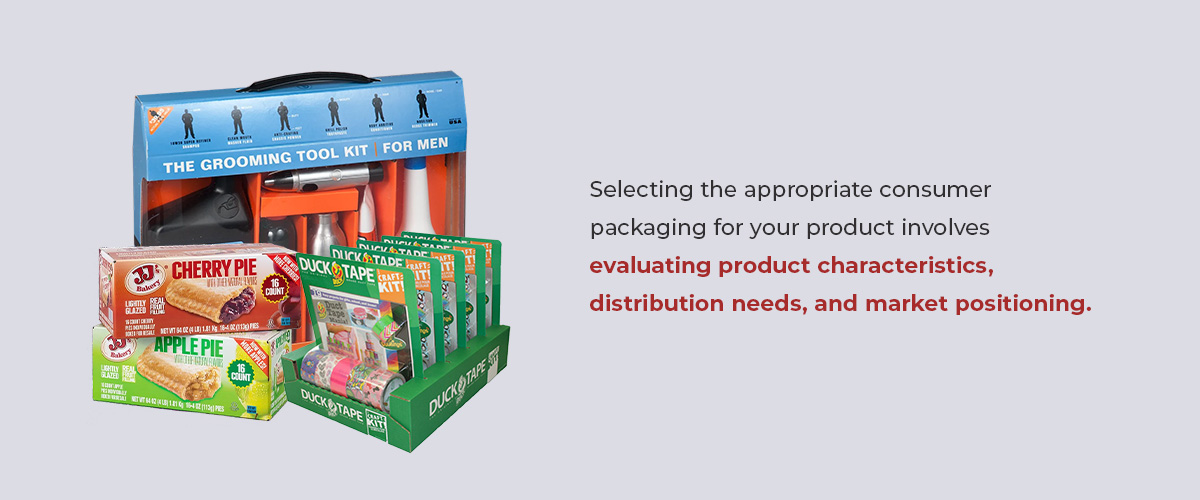
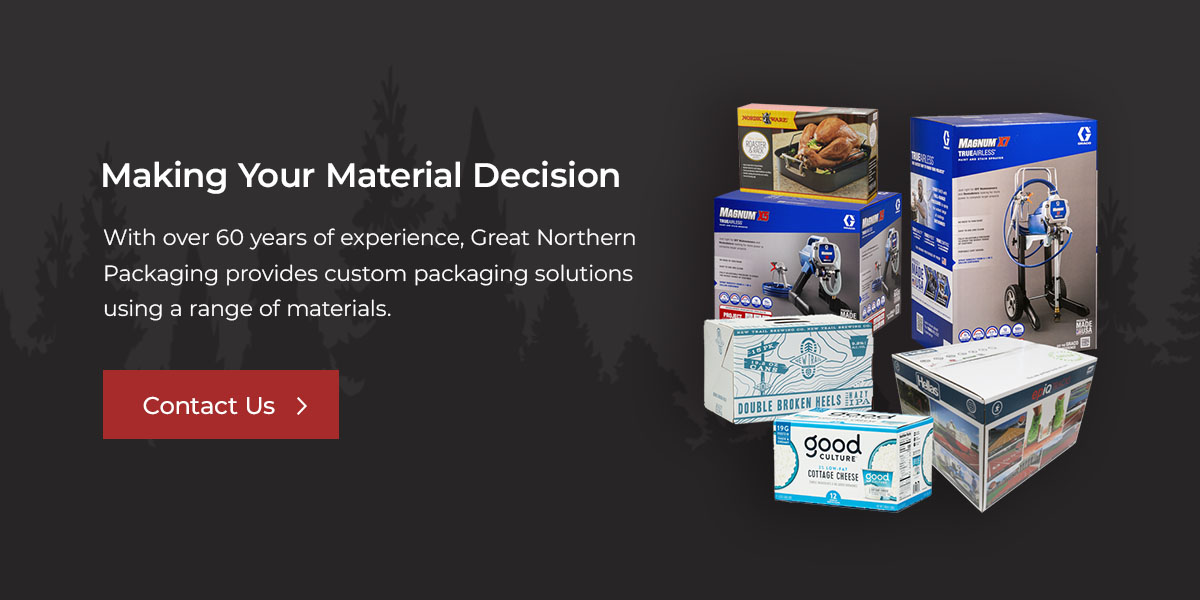
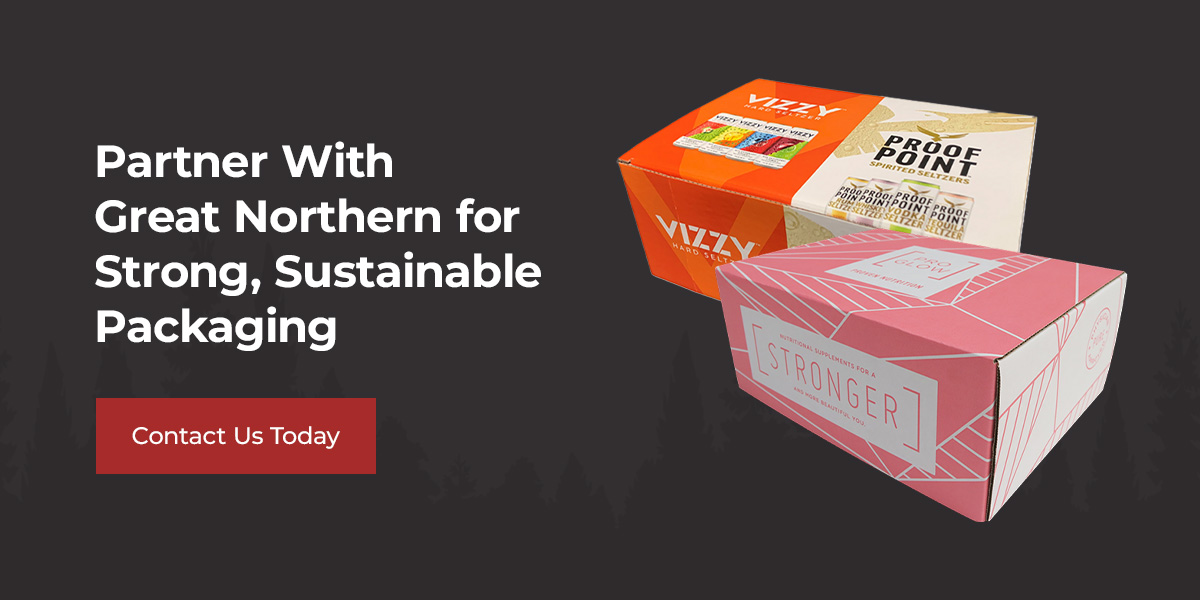
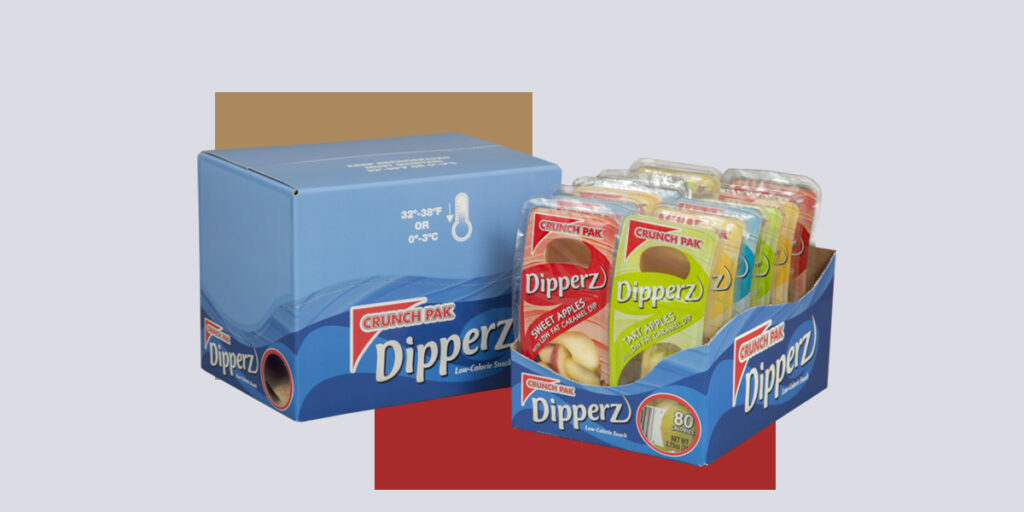
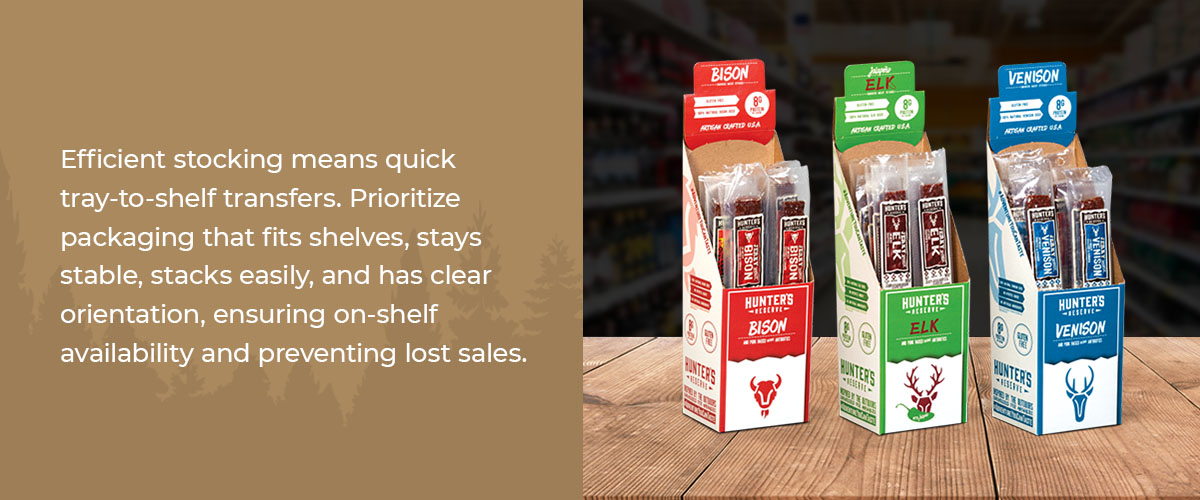
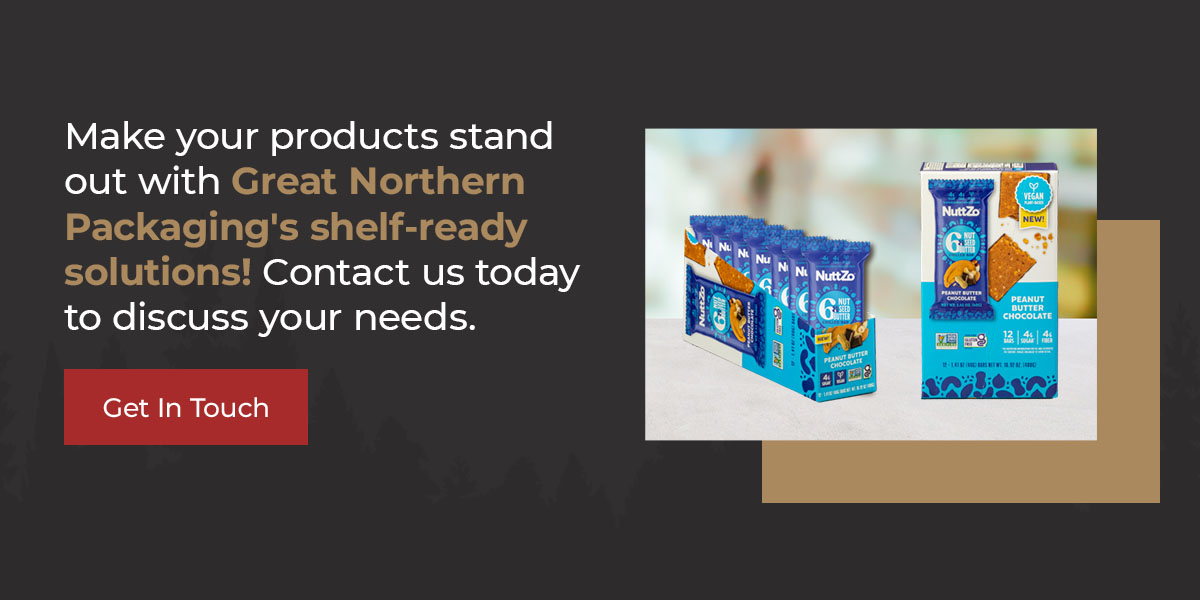
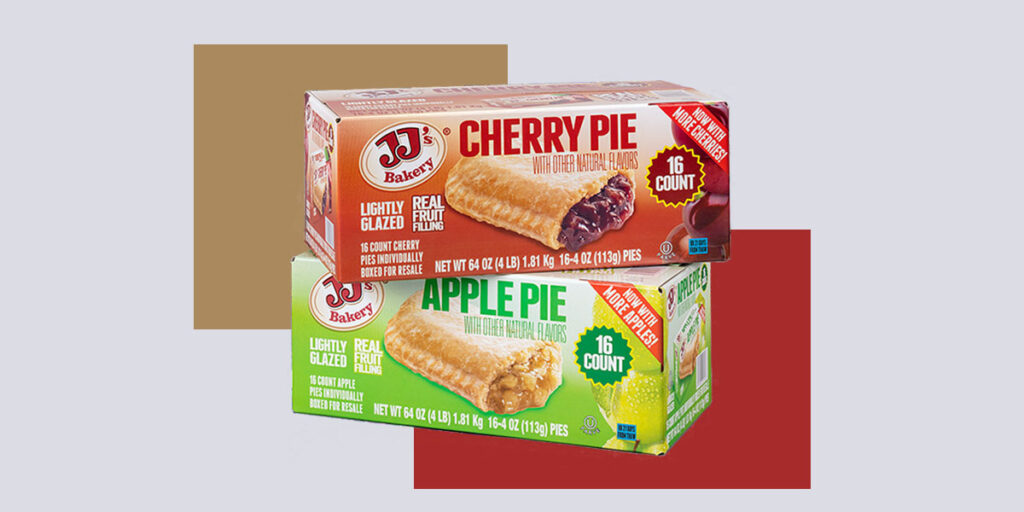
Assortment of packaging created by Great Northern

When to Refresh vs. Redesign Your Consumer Packaging

Key Takeaways:

  • A packaging refresh updates visual elements like graphics, colors and typography while preserving your existing structure and brand equity.
  • A packaging redesign involves more comprehensive changes, such as new materials, structural adjustments or a complete reset of your packaging identity.
  • Refresh signals include dated design trends, outdated graphics or minor functional improvements that don’t require reworking the core structure.
  • Redesign signals include major brand repositioning, loss of shelf differentiation or packaging that no longer meets functional or sustainability requirements.

Your packaging might need an update. Sales trends, competitive shifts or new channel requirements can all signal that change is overdue. The challenge is figuring out how much change makes sense. Some brands need a visual refresh. Others need a structural redesign. This guide helps you identify which approach fits your situation.

Packaging Refresh vs. Redesign: What’s the Difference?

A packaging refresh targets specific updates while preserving your foundation. It can include:

  • Graphics and color updates
  • Typography refinements
  • Print quality improvements
  • Minor structural tweaks

A packaging redesign involves more comprehensive changes, such as:

  • Brand strategy repositioning
  • Structural overhauls with new package forms, materials or configurations
  • Complete resets, reimagining of how the package looks, functions and communicates

Neither approach is inherently better. The right choice depends on your brand’s specific situation. Typically, the trigger for both paths is thinking that packaging “looks outdated.” However, surface-level redesigns driven by trend-chasing frequently fail to deliver results.

When a Packaging Refresh Is the Right Call

A refresh is the lower-risk and faster path when your brand’s foundation is strong, but the expression needs updating. Preserving brand recognition is a strategic advantage, and a refresh allows you to modernize without disrupting the equity you’ve worked hard to build.

1. Your Design Feels Dated

Design trends evolve constantly. Color palettes shift, typography preferences change and packaging materials take on new aesthetics. But a dated appearance doesn’t always mean the structure or brand identity is broken. If your core brand signals are still recognizable and strong, updating visual elements is often enough.

Research shows that greater familiarity between new and old packaging is linked to positive consumer outcomes. When your packaging foundation serves your brand identity well but the visual execution feels stale, a refresh can bring you up to date.

2. Your Graphics Need an Update

You can elevate graphic execution without touching the package structure. Adding new or refining existing artwork, updating imagery, enhancing color accuracy and adjusting typography can all help improve shelf presence and brand perception. If your structure is sound but your graphics feel flat, investing in improved printing capabilities can help you close the gap without having to start from scratch.

3. Small Structural Changes Are Needed

Adjusting a panel configuration, improving an opening mechanism, refining a window placement or updating material weight are all targeted changes that fall within the refresh category. These adjustments solve specific functional issues without reworking the entire package. Before assuming a full overhaul is needed, it’s best to consult a branded structural packaging design team to evaluate the scope and identify whether a targeted fix will address your needs.


When a Packaging Redesign Is Necessary

A redesign is appropriate when the problems run deeper than aesthetics, and the packaging’s foundation no longer serves the brand’s current reality. Redesigns generally carry more risk and require more investment, which is why strategic intent matters.

Nine out of 10 redesigns fail to deliver meaningful sales lift, underscoring why redesigns should be intentional and why partnering with an experienced team matters.

1. Your Brand or Market Has Changed

If your brand has experienced significant shifts, the packaging must reflect that evolution. Examples include:

  • Market repositioning: Moving from regional to national distribution or entering new retail channels like mass market or club stores.
  • Target audience shifts: Packaging designed for one demographic rarely resonates when your customer base changes.
  • Brand values evolution: Sustainability commitments or quality positioning that your current packaging contradicts.
  • Product line expansion: New formats or sizes that your existing structure can’t accommodate.

When the disconnect between your packaging and your brand’s positioning is fundamental, a redesign is necessary.

2. You’re Blending In on the Shelf

If the structural form or overall visual identity itself is the problem, a redesign is warranted. Here are signs that a surface refresh may not be enough:

  • Your packaging no longer stands out in a crowded category.
  • Visual standards in your space have shifted, and your packaging feels generic.
  • Shoppers walk past your product without registering it.

NGK faced this challenge. Its corrugated packaging provided protection, but it didn’t deliver the premium look their brand needed to differentiate. The material itself limited its graphic capabilities, making it difficult to stand out on the shelf. A structural redesign shifted them to laminated paperboard with a high-quality print surface. Metallic ink, matte varnish and spot-high gloss coating created the professional appearance that corrugated couldn’t achieve.

3. Your Packaging No Longer Meets Functional or Sustainability Needs

A structural redesign is necessary when packaging can’t accommodate a new product format, fails to meet retailer structural requirements or no longer reflects the brand’s sustainability commitments. This is especially relevant for brands entering mass-market or club-store channels or those facing increasing pressure to use recyclable or sustainably sourced materials.

Nature’s Benefits wanted its packaging to reflect the natural qualities of its product and meet growing consumer expectations around sustainability. They moved to a paperboard substrate made from 100% Forest Stewardship Council (FSC)-certified controlled wood sources with a natural kraft surface. The eco-friendly packaging helped attract environmentally conscious consumers and introduced a fresh style to the product category that buyers and retailers responded to positively.

How to Weigh the Risk and Investment

Gather these inputs before you commit to either path:

  • Sales performance data: Pull reports from the past months and look for velocity declines, lost distribution or category share erosion. If those drops coincide with competitors updating their packaging, your packaging may be part of the problem.
  • Consumer feedback: Schedule shopper interviews and ask whether your packaging communicates what the product is, whether it stands out and what they think about the brand when they see it. Their answers will tell you whether the problem is surface-level or deeper.
  • Competitive analysis: Put your packaging next to your top three competitors and the category leader. Document the differences in the materials, graphics and structural form. Any gaps you see will clarify whether you need to make minor or major changes.
  • Retailer requirements: If you’re entering new retail channels, get the specific structural, dimensional and sustainability standards from those retailers up front. Building to those requirements from the start saves time and avoids expensive revisions.

Frequently Asked Questions

Here are answers to questions we hear regularly from brands deciding between a refresh and a redesign.

How Often Should I Update Consumer Packaging?

The right cadence depends on your brand evolution, competitive activity and market shifts. Regular evaluation helps you catch declining differentiation or brand misalignment before they show up in your sales numbers.

How Do I Know if My Packaging Is Hurting Sales?

Signs include declining shelf performance, consumer confusion at the point of sale or feedback that the packaging no longer reflects the product or brand.

How Long Does a Packaging Redesign Take With Great Northern Packaging?

Timelines vary by scope, but our in-house design, prepress, manufacturing and distribution capabilities help accelerate speed to market. Integrated workflows help minimize delays and ensure tighter coordination from concept to shelf.

Partner With Great Northern Packaging for Your Next Update

For over 60 years, Great Northern Packaging has helped brands bring updated packaging to market with speed and precision. Our team of more than 70 designers and engineers handles everything under one roof, from initial concept through final production and shipping. As an International Safe Transit Association (ISTA)® certified facility with Safe Quality Food (SQF), Sustainable Forestry Initiative (SFI), G7 and International Organization for Standardization (ISO) credentials, we back every project with proven expertise.

Fill out our online form to discuss your packaging goals today.

A hand holding out a carboard box

Stock Packaging vs. Custom Packaging — Making the Right Choice for Your Brand

Key Takeaways:

Would you prefer packaging with quick turnaround times and low up-front costs, or a robust marketing asset with precise product fit? Either path has potential advantages and drawbacks to consider as you strategize ways to set your brand apart from the competition.

  • Stock: Ships within days, requires minimal investment and is ideal for product testing, seasonal items and short runs, but offers limited branding and may increase shipping costs due to standardized dimensions.
  • Custom: Built for your exact product and brand identity, reduces dimensional weight charges and strengthens shelf presence in retail environments, but involves tooling costs and minimum order quantities. Choose this option when consistent volume justifies the extra investment.

Did you know that 72% of consumers say product packaging design influences their purchasing decisions? That leads most retailers to a significant choice between stock and custom packaging. Stock offers speedy turnaround times and a lower up-front investment, while custom delivers brand differentiation and a distinct on-shelf presence but requires more initial commitment.

If you manage multiple SKUs and target mass-market or club-store placement, it’s wise to understand how your packaging choices affect your brand and profitability.

What Is Stock Packaging?

With stock packaging, you select from an inventory of premade boxes in standard sizes and receive your shipment, often within days. You pay only for the boxes you order, with quantities ranging from a couple of units to a few hundred. Stock inventory typically ships quickly, making it practical for testing new products, running short seasonal lines, or getting packaging solutions sooner when you can’t afford to wait for custom production timelines.

The trade-offs become more significant as brands scale. Stock options are generic by design, providing limited branding opportunities and packaging that may look identical to competitors’ products. Standard dimensions rarely provide precise matches, so you end up paying for additional void fill and higher per-shipment costs. There may also be limits to the materials, appearance and structural options that are in stock when you order.

Oversized boxes can trigger dimensional weight charges from carriers like UPS and FedEx, meaning you’ll pay based on box size rather than actual product weight. A lightweight product in an oversized stock box may ship at the dimensional weight rate of a heavier item, increasing your per-shipment expense. These limitations compound when shelf presence becomes a competitive factor.

What Is Custom Packaging?

Custom packaging consists of boxes manufactured to your exact specifications. You’ll receive solutions built specifically for your product and brand identity, accounting for your product’s precise dimensions, retail channel requirements and visual standards. For brands targeting mass-market and club-store placement, this granular control can determine whether your product gets noticed or overlooked on the shelf.

These advantages become more valuable as brands scale. You can make your packaging into a distinctive, branded asset that competitors cannot replicate, directly affecting brand perception and purchase intent in retail environments. Boxes designed to match your exact product dimensions can reduce void fill needs and shipping costs. You can use custom packaging strategically, making your product stand out on the shelf when it matters most.

Many mass-market and club-store channels require their suppliers to follow precise specifications. Packaging’s influence on brand identity will be especially relevant as distribution expands. Custom packaging also involves tooling, design and setup before production begins. Timeline considerations and minimum order quantities are part of the process, though the economics tend to shift as order volumes grow.

Stock Packaging vs. Custom Packaging Costs

Understanding custom packaging cost starts with looking beyond unit price. Stock packaging avoids up-front tooling fees but requires extra void fill for standard sizes that rarely match product dimensions. Oversized boxes trigger dimensional weight charges from carriers, which can multiply across multiple SKUs.

Materials often represent a significant portion of total spend, with printing and finishing adding to the cost. Smaller production runs are typically pricier than larger ones. Additional colors, finishes or foil layers tend to increase total packaging expense. However, higher order quantities may qualify you for pricing breaks, and brands managing multiple SKUs often notice custom solutions reduce total spend through standardized materials, volume pricing and the elimination of inefficient shipping charges.

Considering the interplay of these factors, from material choices to order volume, empowers brands to make strategic packaging decisions that align with their growth and market presence.

When to Use Stock Packaging

Stock packaging works best in these situations:

  • You’re launching a new product and need to test market fit before committing to tooling investment.
  • You’re producing limited-edition or seasonal SKUs where custom tooling costs don’t justify short production runs.
  • You need to preserve working capital for other business priorities in the short term.
  • You need packaging within days and can’t wait for custom production timelines.
  • You’re shipping products like replacement parts or B2B components where packaging design doesn’t influence purchasing decisions.

Insight into brand perception and a visual of paint cans

When to Invest in Purpose-Built Design

Brand perception significantly influences purchase decisions, particularly in mass-market or club-store channels where shelf presence determines product visibility.

Custom packaging is often the only viable path in scenarios like these:

  • Your product line includes multiple SKUs or seasonal variants that benefit from consistent branded packaging.
  • You consistently meet minimum order thresholds for custom production runs.
  • Your product dimensions don’t align with standard stock sizes, resulting in dimensional weight penalties on shipments.
  • Your retail partners require specific packaging specifications that stock options cannot accommodate.
  • You need to align your packaging with your brand strategy and compete in environments where first impressions drive sales.

Choosing How to Represent Your Brand Through Packaging

The choice between stock and custom hinges on volume, brand stage and SKU count. If you consistently move enough units to meet minimum order thresholds, custom packaging typically delivers better total cost of ownership based on variables such as order volume and shipping efficiency. The more shelf presence matters to your growth, the higher return you’ll see from packaging differentiation. Brands managing multiple SKUs gain compounding value from custom packaging, as efficiency improvements multiply across the product line.

The relevant question isn’t whether custom is more expensive up front — it’s how much your brand will struggle when your packaging doesn’t actively build recognition and preference. In one survey, 99% of brand owners rated packaging as critical to brand success, with smaller and challenger brands placing the highest emphasis on this factor. You can’t afford for packaging to weaken your position when you compete in retail channels where consumers decide in seconds.

Get Started With Great Northern Packaging

Great Northern Packaging has delivered custom solutions to consumer packaged goods brands for more than 60 years. Our integrated design, prepress, manufacturing and distribution capabilities operate under one roof, giving us the flexibility to handle any package size, print requirement and strength specification — from light chipboard to heavy corrugated — without outsourcing any part of the process.

We maintain SQF certification, SFI Sourcing Label certification, G7 Targeted Qualification and ISO certification. For brands managing multiple SKUs or entering mass-market and club-store channels, we engineer packaging that fits your product precisely and reinforces your brand presence on shelf. Explore your packaging design capabilities or contact us to discuss your requirements.

Frequently Asked Questions About Stock and Custom Packaging

These common questions can help you evaluate which packaging approach aligns with your product needs, budget and distribution strategy.

How Much Does Custom Packaging Cost Compared to Stock Packaging?

Custom packaging typically involves higher up-front costs for tooling and design, while stock packaging demands a lower initial investment, since you use premade boxes. However, total costs can shift when you factor in shipping expenses, void-fill materials and branding additions. Custom solutions often become more economical at higher volumes, while stock packaging may work better in smaller quantities or for testing new products before committing to full-scale production runs.

When Does It Make Sense to Switch From Stock to Custom Packaging?

The transition often makes sense when you consistently meet minimum order thresholds, your product dimensions don't align well with standard stock sizes or when brand presentation starts affecting sales performance. Many brands also consider custom packaging when entering retail channels that require specific packaging specifications, or when dimensional weight penalties on oversized stock boxes begin impacting shipping costs across multiple orders.

What Are the Downsides of Stock Packaging?

Stock packaging's primary limitations include standard sizes that may not match your product dimensions well, limited branding opportunities and the potential for higher shipping costs when boxes are larger than necessary. You may need additional void-fill materials to protect products, and the generic appearance can make it harder to stand out in competitive retail environments where packaging influences purchase decisions.

Can You Use Both Stock and Custom Packaging for Your Business?

Many brands use a hybrid approach, choosing custom packaging for core products where brand presentation matters most and stock packaging for items like replacement parts, B2B shipments or limited-edition runs where custom tooling costs may not justify short production volumes. This approach can balance brand consistency with budget flexibility as your product line and sales channels evolve.


Choose packaging that performs with Great Northern

Example Dippin' Stix packaging created by Great Northern

Reducing Shipping Costs Through Smart Packaging Design

Key Takeaways:

Strategic packaging optimization reduces dimensional weight fees, lowers material costs, improves space use and decreases damage-related returns that cost retailers billions annually. Learn to slash shipping expenses with these three strategies.

  1. Right-sizing boxes: Match packaging to actual product dimensions to avoid paying for empty space and wasted materials.
  2. Using structural design: Replace void fill with engineered corrugated inserts and scored folds that secure products while lowering package dimensions.
  3. Testing performance: Validate designs through ISTA® standards before production to ensure fidelity at reduced sizes.

The gap between production and shipping costs affects expenses more than most operations teams realize. Oversized boxes, bulky materials and overlooked specifications all impact your bottom line.

Every minor inefficiency quickly compounds, translating to substantial annual expenses for high-volume shippers. Strategic parcel design decisions can recover these costs without compromising product protection.

How Carriers Calculate Dimensional Weight

Carriers calculate shipping costs based on actual weight or dimensional (DIM) weight, whichever is greater. Dimensional weight is a measure of package size, calculated as the product of length, width and height, divided by a carrier-specific divisor.

Oversized packaging forces you to pay for empty space. For example, a small, lightweight product swimming in a too-large box might cost twice as much to ship as the same item in right-sized packaging. This pricing structure rewards efficiency and penalizes waste, making packaging design a direct driver of shipping expense.

Carriers incentivize shippers to minimize parcel volume by charging based on space rather than weight alone, creating a direct financial incentive to invest in packaging solutions that slash shipping costs and eliminate wasted space.

Three Packaging Design Strategies to Reduce Shipping Costs

Implementing intelligent packaging design requires a systematic approach. Combine these three tactics to reduce dimensional weight charges and protect products during transit.

1. Right-Size Your Boxes to Match Product Dimensions

Many companies choose e-commerce shipping boxes based on convenience rather than cost efficiency, resulting in overly large packages. Custom corrugated packaging tailored to your products’ real-world dimensions can significantly reduce DIM weight charges.

Examples of custom corrugated packaging

Start right-sizing by measuring your products in their shipping configuration, accounting for interior packaging or protection materials. Then, evaluate your current box dimensions against actual product needs. In doing so, you may discover your stock box sizes add a few inches of unnecessary space in multiple dimensions.

Right-sizing requires an up-front investment in packaging design and potentially new box dimensions, but you can typically recoup these costs over a few months of cumulative savings.

  • Lower material costs: Using less corrugated material per package reduces your per-unit packaging expenses while maintaining product protection.
  • Improved trailer use: Right-sized packages allow you to fit more units per pallet and more pallets per trailer, alleviating some shipping and transportation costs.
  • Less corrugated usage: Eliminating unnecessary packaging material lowers your material spend and cuts down on waste disposal expenses.

2. Use Structural Packaging Design Instead of Void Fill

Customers increasingly prefer minimal, recyclable options over excessive materials. A well-designed structural package signals product quality and environmental responsibility while delivering cost savings.

You can eliminate or minimize void-fill materials by using packaging designed with built-in product protection. Structural packaging uses corrugated inserts, scored folds and custom interior configurations to secure products without foam, bubble wrap or air pillows. This approach maintains protection standards while lowering freight charges. Companies that have shifted from void-fill-dependent packaging to structural designs report 14% reductions in trailer usage and significant decreases in corrugate consumption across their supply chains.

Example of structural packaging with corrugated inserts

Structural design techniques include die-cut corrugated inserts that cradle products, accordion-style inner supports that compress flat for storage and scored fold patterns that create cushioning zones. These engineered features replace loose-fill materials while minimizing parcel dimensions. Structural materials weigh less than foam or plastic alternatives, lowering dimensional weight calculations. Workers place products into formed inserts rather than adding fillers, slashing packing time and labor costs.

3. Test and Validate Package Performance

You must also ensure your products survive the distribution environment before committing to new packaging dimensions. Package testing prevents costly mistakes by identifying weak points that could lead to damaged goods, returns and customer dissatisfaction.

Testing should follow ISTA® standards to simulate real-world handling conditions. These protocols replicate the stresses packages encounter during shipping, with tests designed to reveal whether your packaging design provides adequate protection at reduced dimensions.

  • Compression testing simulates palletized storage conditions.
  • Vibration testing replicates truck transport over various road conditions.
  • Drop testing mimics handling at sorting facilities and during final delivery.

A package that appears adequately sized but fails during shipping incurs expenses far exceeding the dimensional weight savings. Packaging partners with ISTA® testing facilities ensure your designs meet performance requirements before production. This validation protects you from the costs associated with damaged goods and product returns.

How Packaging Design Impacts Your Bottom Line

The financial impact of packaging design extends beyond carrier charges. Right-sized packaging reduces damage rates, thus directly lowering replacement costs and return shipping expenses. Damaged products require additional attention from your team and often result in lost customers. Effective packaging design prevents these cascading costs.

Returns represent another significant expense. The retail industry saw $685 billion in returned merchandise in 2024, with improper packaging triggering many of these. Boxes that arrive damaged or poorly presented create negative first impressions, driving returns even when the product inside is intact. Packaging that protects products and presents them professionally increases satisfaction.

Material costs also respond to packaging optimization. Eliminating excess corrugated material reduces your per-unit packaging expense. The impact becomes substantial when multiplied across thousands or tens of thousands of shipments. Material cost reductions are sufficient to justify the investment in custom packaging design for many businesses.

Warehouse efficiency improves with standardized, right-sized packaging. Employees who are responsible for picking, packing and loading operations move faster when they handle consistently sized packages. Labor costs decrease as workers spend less time selecting appropriately sized boxes and adding void fill. These secondary benefits can add up quickly, creating meaningful additional value beyond the shipping cost reductions.

Save Money With Great Northern Packaging

Reducing shipping costs through packaging design starts with understanding your products, distribution channels and cost drivers. Great Northern Packaging provides comprehensive packaging solutions, including custom corrugated design, structural engineering and performance testing.

With over 60 years of experience and in-house design, manufacturing and distribution capabilities under one roof, we can accommodate any package size and strength requirement while customizing supply chain programs to meet your specific needs. Our SQF-certified, ISO-certified facilities ensure consistent quality from concept through delivery.

Learn more about our custom molded fiber packaging or contact our team at 920-796-9512 to discuss your packaging cost-optimization needs.

Frequently Asked Questions About Reducing Shipping Costs

Understanding how packaging decisions impact shipping expenses can help you identify opportunities to reduce costs while maintaining product protection.

What Is Dimensional Weight and How Does It Affect Shipping Costs?

Dimensional weight is a pricing method carriers use to charge based on package size rather than weight alone. Carriers calculate dimensional weight by multiplying a package's length, width and height, then dividing by a carrier-specific divisor. Your shipping cost is based on whichever is higher — actual weight or dimensional weight. Under this pricing structure, oversized packaging can force you to pay for empty space, making package dimensions a significant factor in your shipping expenses.

How Much Can Right-Sizing Packaging Reduce My Shipping Costs?

The potential savings from right-sizing depend on the amount of excess space in your current packaging and your shipping volume. Reducing unnecessary inches across multiple dimensions can lower dimensional weight charges, though the impact will vary based on your specific products and current box sizes. Beyond carrier charges, right-sized packaging often reduces material costs, improves trailer use and can decrease the amount of void fill needed, creating compounding savings across your supply chain operations.

Can Packaging Design Replace Void Fill Materials?

Structural packaging design can minimize or reduce the need for void fill by incorporating built-in product protection through corrugated inserts, scored folds and custom interior configurations. This approach uses the packaging structure to secure products rather than relying on foam, bubble wrap or air pillows.

Structural design maintains protection standards while potentially reducing package dimensions and material costs, though the feasibility depends on your products' fragility, dimensions and distribution requirements.

How Do I Know if Smaller Packaging Will Still Protect My Products?

Package testing following ISTA® standards validates that reduced packaging dimensions still provide adequate protection under real-world conditions. Testing simulates the stresses packages encounter during distribution, including compression from palletized storage, vibration from truck transport and drops during handling.

Partnering with a packaging company that has an on-site ISTA® testing facility allows you to verify performance before committing to production, avoiding the costs associated with damaged goods and returns that can exceed dimensional weight savings.

Examples of different types of packaging filled with foam

How to Determine the Right Packaging Size for Your Product

Key Takeaways:

Right-sizing your packaging reduces dimensional-weight shipping fees, prevents in-transit product damage and creates a better unboxing experience. Choose standard boxes for varied inventory, custom sizes for high-volume products or ISTA®-tested packaging for fragile, high-value items.

Key steps:

  • Measure your product’s length, width and height to the nearest quarter-inch.
  • Add a one- to two-inch cushioning buffer on all sides to prevent damage.
  • Account for the difference between internal and external box dimensions.
  • Round up to the nearest standard box size.

Oversized boxes cut into your bottom line on every shipment. Since carriers charge for the space a package occupies, excess room not only leads to product damage from shifting but also incurs dimensional weight penalties and creates a wasteful impression on customers. Right-sizing your packaging eliminates this waste through a systematic process of accurate product measurement and proper calculation of internal box dimensions, factoring in a necessary buffer for protective cushioning.

This precision-driven approach directly reduces shipping costs, minimizes returns from damaged products, and enhances brand reputation by delivering a professional and sustainable unboxing experience. By transforming this key logistical detail into a strategic advantage, businesses can protect their margins and strengthen customer satisfaction.

The sections ahead explain each step so you can confidently choose shipping boxes.

1. Measure Your Product Accurately

Most decisions rest on your product’s packaging dimensions, so you can’t afford to rush here. A box built around precise measurements protects your product and maximizes every inch of space. Accurate dimensions also speed up packing, reduce the amount of void fill you need and help shipments arrive in better condition. Over time, that precision adds up to lower material costs, smoother fulfillment and a more professional unboxing experience for your customers.

Use the appropriate tool:

Choose a rigid ruler or caliper rather than a flexible tape measure, which will sag and introduce errors.

Record in a standard format:

Measure the box's length, width and height. Length is the longer opening side, width is the shorter opening side and height is the dimension from top to bottom. Round each measurement to the nearest quarter-inch, then multiply them to calculate the box's total volume.

Handle irregular or round shapes:

Measure items that aren't neat rectangles to their longest, widest and tallest points. For cylindrical items, you only need the diameter and height.

Keep a measurement record:

Maintain a simple, shared spreadsheet so your whole team works from the same numbers, capturing each product's name, dimensions and internal SKU. Update it whenever you add or change a product so it remains a reliable reference.

2. Calculate the Box Size You Need

Once you have accurate product measurements, you can determine which box size to use. Your product dimensions are the starting point, but you’ll also need to factor in the space required for protective cushioning and the difference between a box’s internal and external dimensions.

Understand Internal vs. External Dimensions

Every box has two sets of measurements. Internal dimensions represent the usable space inside the box — the space that must accommodate your product plus void fill. External dimensions are the outside measurements. Because corrugated board has thickness, the exterior is always slightly larger than the interior. This distinction matters because of how carriers bill.

Add Cushioning

Example of adding cushioning to packaging

If your product touches the box walls, any impact can transfer straight through. To prevent that, add a cushioning buffer on every side. Because each dimension has two faces — left/right, front/back, top/bottom — the buffer adds twice per dimension.

There is no fixed standard for the amount of buffer you need to add. It depends on your product, the cushioning material and how fragile or valuable the item is. Custom molded fiber inserts can reduce the required buffer by cradling the product’s edges and corners, which is often worthwhile at higher volumes.

Once you’ve chosen a buffer, add it to each product dimension on both sides to determine the internal space the box must provide. Then, round each result up to the nearest available box size. Standard boxes come in set increments, and rounding up ensures a proper fit without paying to ship excess air.

Choose Standard, Custom or Tested

The directions for measuring your box and adding cushioning work at any scale. What you do with this information depends on your volume and how fragile or valuable your products are.

Standard box sizes:

These affordable options are ideal for varied inventories or lower volumes. They are the best fit when your products fall within reasonable size increments and you need a quick solution.

Custom structural design:

Earns its keep when you ship high volumes of identical or oddly shaped items. A box engineered to your exact dimensions removes wasted material and space, and at thousands of units a month, small per-box savings add up fast.

Package testing:

Use the ISTA® standard for fragile, high-value or mission-critical products. Standardized testing simulates the jolts and pressure of real distribution, confirming your dimensions, materials and cushioning work together before you ship at scale.

How Right-Sizing Your Packaging Protects Your Margins and Brand

Precise dimensions are operational details that affect your bottom line, from final shipping costs to customer impressions and satisfaction with the unboxing experience.

Lower Shipping Costs by Avoiding Dimensional Weight Fees

Carriers charge for whichever is higher — a package's actual weight or the space the box occupies in the truck. Shipping a lightweight product in an oversized carton means you'll pay for the empty volume. Choosing a smaller, more compact box will reduce your dimensional weight and cut costs.

Fewer Damaged Products and Returns

Excessively large boxes let their contents slide, tumble and take the full force of every impact during transit, contributing to damage and returns. A snug fit combined with cushioning will let the package absorb vibration, drops and compression instead, so more products arrive intact and fewer replacements eat your margin.

A Better Unboxing Experience

A small item swimming in a large box stuffed with filler looks wasteful, which shoppers increasingly notice. Right-sized packaging signals care and environmental responsibility, trims material costs and makes the unboxing feel intentional.

Following packaging size guidelines helps you cut waste, lower shipping fees and protect every SKU. The payoff only grows as your volume does, which makes it well worth using a strategic approach from the get-go.

FAQs

Have questions about choosing the right packaging size? Browse these answers to common packaging concerns.

How Can I Ship Multiple Products in One Box?

Arrange your products as compactly as possible, then measure the combined dimensions at their widest points. Add a cushioning buffer around the entire group, not each individual item. If product weight or fragility varies significantly, consider using separate inner boxes or dividers to prevent heavier items from damaging lighter ones during transit.

How Do Carriers Calculate Dimensional Weight?

Carriers determine this total by multiplying your package's length, width and height, then dividing by a carrier-specific number. You will pay for whichever is higher — the dimensional weight or the package's actual weight.

For example, depending on the carrier, they may calculate a 20-by-16-by-12 box to be 23 to 28 pounds, even if the contents only weigh 5 pounds. Divisor rates change periodically, so check with your carrier for the most current numbers.

Should I Round up or Down When My Measurements Fall Between Standard Sizes?

Always round up to the next available box size. Rounding down forces products against the box walls and eliminates cushioning space, increasing the risk of damage. The minimal price difference between adjacent box sizes is far less than the cost of replacing damaged products or processing customer refunds and returns.

When Does Custom Packaging Make More Sense Than Standard Boxes?

This solution becomes cost-effective when you ship over 1,000 units of the same product monthly, especially if your packages have unusual dimensions. The up-front tooling investment typically pays for itself within months through reduced material costs, lower dimensional weight charges and decreased damage rates.

Find Your Perfect Fit With Great Northern Packaging

Whether you’re rolling out standard boxes or exploring custom box sizing and ISTA® testing for high-volume shipments, Great Northern Packaging brings over 60 years of expertise to every project. With design, manufacturing and distribution all in-house, our team can refine your approach from the first measurement to the final test, keeping your products protected and your shipping costs in check.

Let’s start a partnership. Call Great Northern Packaging or fill out our contact form, and we’ll help you ship smarter.

Find your perfect fit with Great Northern Packaging

Cardboard box packaging from Great Northern Packaging

A Guide to Packaging Layers — What Are Primary and Secondary Packaging?

Key Takeaways: This guide gives you a breakdown of how the three packaging layers work — and how to use them strategically:

  • Primary packaging is the layer consumers interact with, making it critical for product protection and brand experience.
  • Secondary packaging groups primary packages for shipping and retail display, and serves as a point-of-purchase marketing tool.
  • Tertiary packaging handles transport and warehousing and is essential for getting products to shelves intact.
  • All three packaging layers must work together. Gaps in any layer can lead to product damage, higher costs or missed branding opportunities.
  • Choosing the right packaging system means weighing product requirements, supply chain needs, retail environment, branding goals, budget and sustainability.
  • Partnering with a packaging expert helps you build a cohesive solution that protects your product, elevates your brand and optimizes logistics.

Packaging is a multilayered system designed to protect, transport and sell your product. Understanding the distinct functions of primary, secondary and tertiary packaging is essential for making strategic decisions that impact product safety, brand visibility and supply chain efficiency.

This guide breaks down the packaging layers, explains how they work together and shows you how to optimize your packaging system for manufacturing and retail success.

What Is Primary Packaging?

Primary packaging is the first layer people will see on store shelves. Consumers touch and interact with it, making it critical for product protection and brand experience.

Examples include:

  • Beverage bottles
  • Candy bar wrappers
  • Soup cans
  • Blister packs for pharmaceuticals

The design choices behind primary packaging, like color, do more than catch the eye. They shape how consumers perceive what’s inside. A May 2025 study examined how coffee packaging colors influence consumer opinions. When the packaging color matched the flavor and style of the coffee inside, shoppers were more likely to choose the product and feel satisfied after buying and consuming it.

Essential functions of primary packaging

Essential functions of primary packaging include the following.

  • Product containment and security: Shields the product from contamination, damage and spoilage.
  • Information delivery: Displays essential details like ingredients, usage instructions and regulatory information.
  • Branding and appeal: Serves as the first impression for consumers, using design and messaging to influence purchase decisions.

What Is Secondary Packaging?

Secondary packaging groups primary-packaged products for easier handling, shipping and retail display. In a retail setting, this layer is often the most visible to shoppers and serves as a marketing tool that keeps products safe.

Examples include:

  • Retail-ready cartons
  • Point-of-purchase displays
  • Multipack beverage boxes
  • Shrink-wrapped bundles

Broken and damaged products account for about 20% of e-commerce consumer returns. A leading cause is oversized boxes without proper cushioning or material that doesn’t match the product inside.

Secondary packaging has several leading functions.

  • Bundling for sale: Combines multiple primary packages for retail or wholesale.
  • Additional safeguard: Adds a crucial buffer against damage during shipping and stocking.
  • Retail display: Functions as a point-of-purchase display, drawing attention and driving sales.
  • Brand visibility: Supports in-store marketing with custom graphics and messaging.

What Is Tertiary Packaging?

Tertiary packaging is the outer layer, designed for bulk handling and shipping. Though consumers rarely see it, it’s vital for getting products to a retailer in perfect condition.

Explaining what tertiary packaging is

Examples include:

  • Brown corrugated shipping boxes
  • Wooden pallets
  • Stretch wrap securing pallets

Tertiary packaging functions include the following.

  • Bulk transport: Enables the safe and efficient movement of large quantities of goods.
  • Damage prevention: Defends products against impact, compression and environmental hazards during transit and storage.
  • Inventory and distribution: Simplifies warehouse management and logistics.

Comparing the Three Packaging Layers

To make informed decisions, you should understand how primary vs. secondary packaging differ from tertiary packaging and how the three layers function as a cohesive system.

The primary layer is:

  • For safekeeping
  • Intended for consumers to see and interact with
  • Examples are bottles, wrappers and blister packs

The secondary layer is:

  • For retail display and branding
  • Intended for retailers and stockers
  • Examples are POP displays and multipack boxes

The tertiary layer is:

  • For shipping and bulk transit
  • Intended for warehousing and logistics
  • Examples are pallets, shipping cartons and stretch wrap

Though each packaging layer serves a distinct function, they are most effective when designed to work together. The primary packaging must fit securely inside the secondary packaging, which should stack within the tertiary packaging for shipping.

Overlooked or poorly designed layers can compromise the entire system — leading to product damage, increased costs or missed marketing opportunities. By considering how primary, secondary and tertiary packaging interact, companies can create a cohesive solution that safeguards products, boosts brand presence and streamlines logistics from production to the retail shelf.

Selecting the Right Packaging System

You can build a system of packaging layers that protect your product, display your brand and simplify your supply chain. Here’s how to approach the decision-making process.

  • Product requirements: Assess fragility, perishability and shape.
  • Supply chain needs: Consider transportation, storage and handling.
  • Retail environment: Tailor packaging for big-box, boutique or grocery settings.
  • Branding and marketing: Make sure packaging communicates your brand’s value and stands out on the shelf.
  • Budget and sustainability: Balance cost with eco-friendly material choices and recyclability.

6 Considerations for a Cohesive Packaging Strategy

When developing an effective packaging system, evaluate multiple factors across all packaging layers to ensure they work together seamlessly.

1. Product Compatibility and Protection

Your packaging materials must be physically compatible with your product and provide the appropriate barrier properties.

Primary packaging requires the highest level of compatibility. Acidic foods need specific linings to prevent corrosion, and pharmaceuticals require non-leaching materials. Secondary packaging adds structural strength for shipping and handling, while tertiary packaging focuses on load stability and material durability to withstand transportation stresses.

Research laboratories can perform compatibility testing, depending on your requirements.

2. Regulatory Compliance and Traceability

Every packaging layer must meet relevant industry regulations, particularly for food, beverages and pharmaceuticals. Compliance means adhering to safety and labeling standards, such as those set by the Food and Drug Administration or the European Union. Tertiary packaging incorporates tracking elements like barcodes, QR codes or radiofrequency identification tags for supply chain traceability.

Maintaining compliance prevents costly recalls and legal issues while enabling efficient inventory management.

3. Retail and Consumer Experience

Secondary packaging should support consumer interaction through easy-open seals and resealable closures, while also meeting retailer requirements for size, labeling and display formats. Primary and secondary packaging must facilitate quick assembly and stocking in fast-paced retail environments to reduce labor costs and ensure consistent product presentation.

4. Branding and Marketing Opportunities

The differences between packaging layers become evident in marketing applications. Primary packaging serves as the first consumer impression, while secondary packaging functions as a critical point-of-purchase marketing tool with eye-catching graphics and promotional elements.

Customizable designs across layers support seasonal promotions, product launches and brand messaging that drives sales and reinforces brand identity.

5. Sustainability and Environmental Impact

Packaging policies are changing rapidly and getting stricter. Using recyclable, compostable or biodegradable materials meets corporate sustainability goals and consumer demand. These include primary packaging materials, secondary corrugated solutions and tertiary options like reusable pallets and lightweight wraps that maintain strength while minimizing resource use.

6. Cost Efficiency and Logistics Optimization

Balance material costs, production expenses and potential waste across all layers while considering logistics efficiency.

Tertiary packaging designed for palletization optimizes space in trucks and warehouses, while properly designed primary and secondary packaging prevent costly returns from damaged goods. In one recent survey, 60% of Americans said they’ve received damaged goods from online orders. Factor in replacement costs, unsellable inventory and potential customer loss when evaluating total cost impact.

Crafting Your Optimal Retail Solution

While primary packaging contains a product and tertiary packaging ensures safe bulk transport, secondary packaging can make a splash on the retail floor. Custom retail-ready cartons and point-of-purchase displays are powerful tools that influence customer perceptions and purchasing decisions.

Well-designed secondary packaging secures products during shipping and stocking and elevates their visibility and appeal to shoppers. Flexible solutions like branded display boxes and promotional displays can fit seasonal promotions or new product launches, making your brand stand out.

From structural design and prototyping to high-quality printing and efficient assembly, a packaging expert can help you create layers that work in tandem with your sales goals and ramp up your brand reputation. Consider partnering with a team that understands the unique demands of the retail environment and delivers custom solutions that drive results. Investing in expertly crafted secondary packaging is a strategic move to boost product performance, smooth logistics and ultimately increase your success on the shelf.

60 Years of Packaging Expertise at Your Fingertips

Great Northern Packaging has transformed brand ideas into high-performing shipping and unboxing experiences for over 60 years. We’ve built a reputation for high-quality, eco-friendly products that meet our customers’ unique needs.

If you want your products to stand out, stay protected and move efficiently through the supply chain, contact us today for packaging solutions that drive sales and brand loyalty.

Contact great northern for packaging solutions

Example packaging solutions from Great Northern Packaging

Complete Guide to Packaging

Summary:

This complete packaging guide covers how to develop a strategic approach that protects products, builds brand presence and increases profitability for CPG and e-commerce companies. Learn which signs indicate it’s time to partner with a certified expert that offers custom production flexibility, design and testing capabilities.

Three core pillars:

  1. Select protective materials and designs that prevent damage through corrugated packaging and ISTA® testing.
  2. Create a custom packaging design that differentiates your brand across retail channels.
  3. Implement sustainable, right-sized solutions that reduce shipping costs and appeal to eco-conscious consumers.

Packaging affects every part of your business, from how products survive shipping to whether customers choose your brand on the shelf. An effective packaging strategy is a crucial competitive advantage for CPG and e-commerce businesses, directly influencing product protection, brand perception, and overall profitability. By moving beyond basic functionality, packaging can safeguard products during transit, capture consumer attention at the point of sale, and optimize shipping costs. This guide provides a strategic framework for evaluating your current packaging and implementing solutions that protect your products, build your brand, and drive profitability.

How Packaging Impacts Your Bottom Line

Poor packaging strategy creates hidden costs that undermine your margins. Product damage during transit triggers return shipping and replacement fees. There’s also brand erosion, which happens when your packaging fails to stand out or arrives damaged at the point of sale. These issues indicate the need to upgrade your packaging, especially when they compound across multiple product lines and translate into significant lost revenue.

Research shows that packaging influences decisions at the shelf, where over 50% of purchases occur, making it a critical touch point that shapes perception and brand loyalty.

Consumers are increasingly rewarding brands that invest in better packaging, too. Studies demonstrate a positive willingness to pay for sustainable packaging, proving that sustainability drives profitability. Plus, smart packaging often looks better than standard options, as it is fully customizable to your brand’s preferences and requirements.

The Blueprint for a Winning Packaging Strategy

A winning packaging strategy rests on three interconnected pillars that work together to protect your product, build your brand and increase profitability.

1. Build a Foundation of Uncompromising Protection

The first pillar focuses on selecting packaging materials and designs that safeguard your product throughout its journey from manufacturing to the consumer. Product damage during transit or storage creates costly returns, chips away at customer trust and damages your brand reputation.

Among available materials, corrugated packaging offers exceptional strength-to-weight ratios and versatile design options that adapt to virtually any product configuration. For products that require interior cushioning or specialized protection, companies like Fiber Interior Packaging offer custom solutions that complement corrugated outer packaging. Testing your packaging design through ISTA® certification protocols ensures it can withstand real-world distribution challenges before your product ever ships.

When you invest time in choosing the right packaging for your product up-front, you reduce damage rates and lower replacement costs over time. This reliability drives repeat purchases and earns you positive reviews. Investing in durable packaging materials reduces claims, minimizes customer service issues and strengthens your brand's market perception.

2. Design to Protect Your Product and Build Your Brand

Once you've established the right protective foundation, smart packaging design turns functional protection into a powerful brand-building tool. Effective B2B packaging design instantly communicates your brand identity and creates memorable unboxing experiences that customers share and remember.

Build your brand with custom packaging

To achieve this impact, your design should reflect your company's personality while serving practical functions. Color choices, graphics and structural elements work together to catch attention on crowded shelves and create differentiation from competitors. Custom packaging lets you tailor every element to your product's specific dimensions and visual standards, eliminating wasted space and creating a premium presentation.

This design work extends beyond single-channel appeal. Performance matters across different retail environments. Mass-market retailers and club stores have different display requirements, and maintaining consistent visual messaging across both settings strengthens recognition and trust.

Smart design elements are a must if your packaging competes for attention in busy retail spaces, where split-second decisions determine which products consumers choose. They guide the eye, communicate value propositions and create the professional impression that justifies premium positioning.

3. Drive Profitability With Smart, Sustainable Solutions

The third pillar connects protection and design with cost efficiency and environmental responsibility. That's why sustainable packaging solutions often look better, cost less over time and resonate with environmentally conscious consumers who increasingly factor sustainability into purchasing decisions.

This profitability starts with practical decisions. Right-sizing eliminates excess materials and reduces material and shipping expenses. Lighter packages cut freight costs, especially for high-volume shipments. Choosing recyclable, compostable materials demonstrates environmental commitment and may qualify your company for retailer sustainability programs that boost shelf placement.

Material choices and efficient designs matter too, as they create a positive cycle where environmental responsibility aligns with financial performance. Companies that optimize packaging for sustainability often discover operational efficiencies that improve profitability across their entire supply chain.

3 Critical Signs Your Current Packaging Costs You Money

With these three pillars in place, evaluate your existing packaging against warning signs that your packaging needs an upgrade. These issues signal that your packaging strategy needs attention before they have a detrimental financial impact.

  1. Frequent damage claims: If you regularly process returns or insurance claims for damaged products, your packaging materials or design need immediate attention. Each damaged unit costs you the product value, shipping expenses and customer goodwill.
  2. Excess dimensional weight charges: Oversized packaging that creates wasted space triggers dimensional weight pricing from carriers, dramatically increasing your shipping costs. Right-sized custom packaging reduces these fees and maximizes trailer space.
  3. Seasonal product waste: CPG companies with seasonal offerings often struggle with outdated packaging that doesn’t sell through. Flexible packaging solutions that adapt to product variations reduce waste and storage costs between seasons.

How to Find a Reliable Packaging Partner

When these signs appear, start looking for companies with comprehensive capabilities spanning design, testing and custom production.

A true packaging partner offers design expertise, testing capabilities and production flexibility. They should understand your industry’s unique challenges and regulatory requirements. Certifications like ISO 9001:2015 demonstrate quality management systems, while G7 Master Certification ensures color accuracy for branded packaging materials.

Ask potential partners about their approach to custom solutions, turnaround times for new designs and ability to scale production as your business grows. Evaluate their experience with companies similar to yours and request case studies that demonstrate measurable results. A trustworthy vendor will collaborate with you to develop packaging solutions that evolve with your product line and market demands.

FAQs

Explore answers to frequently asked questions about packaging strategy and implementation.

How long does custom packaging development typically take?

Custom packaging development often takes 4-8 weeks from initial consultation to production-ready samples, though timelines vary based on complexity. Simple designs may move faster, while projects requiring extensive ISTA® testing, specialized materials or multiple revision rounds can extend to more weeks. Your partner's current workload and material availability also influence timing, so discuss realistic schedules early if you're working toward specific launch dates.

What's the difference between stock and custom corrugated packaging?

Stock corrugated uses pre-designed templates in standard sizes, offering faster turnaround and lower minimums. Custom corrugated is engineered specifically for your product, eliminating wasted space and incorporating branded graphics directly into the structure. Custom generally becomes economical around 500-1,000 units monthly, though the exact breakeven point depends on your product dimensions, damage rates and shipping volume.

Can the same packaging work for both retail shelves and e-commerce shipping?

Hybrid designs can serve both channels when engineered for dual purposes. Retail-focused packaging prioritizes shelf appeal and product visibility, while e-commerce needs structural durability for carrier handling. Some companies successfully use reinforced retail packaging for online orders, though high-volume operations may find channel-specific designs more cost-effective. The right approach depends on your product weight, fragility and whether one channel significantly outperforms the other.

How do I measure ROI on packaging improvements?

Track damage rates, return costs and shipping expenses before and after implementation. Compare your previous monthly damage-replacement costs, plus any dimensional-weight overcharges, against the new packaging's per-unit price increase. ROI timelines vary based on shipping volume, product value and how significantly the new design differs from your previous solution.

Start Your Strategic Partnership With Great Northern Packaging

We help our customers win by doing what others can’t or won’t. With 60 years of expertise in corrugated packaging solutions, Great Northern Packaging brings extensive industry knowledge and comprehensive capabilities to every partnership.

We designed this comprehensive packaging guide to provide the strategic framework you need to evaluate your current approach and identify opportunities for improvement.

When you’re ready to develop packaging that protects your product, builds your brand and drives profitability, contact Great Northern Packaging or call us at 920-796-9512 to discuss your specific needs and explore custom solutions built for your success.

Contact us to start your strategic partnership

Great Northern's qualified facility

Oshkosh & Twin Cities Plants Earn G7 Master Facility Re-Certification

Great Northern Packaging is pleased to announce that the Oshkosh and Twin Cities locations have been re-qualified as G7 Master Facilities and have both received a G7 Targeted designation for their offset print presses. This qualification verifies that our Oshkosh and Twin Cities offset presses meet G7 Targeted color specifications for grayscale and primary and secondary colors (CMY and RGB), and their digital presses meet G7 grayscale specification.
Read More…

From Concept to Shelf: The Consumer Packaging Development Process

Research shows that 72% of Americans say a product’s packaging design influences what they decide to buy, which makes the package the first physical touch point a shopper has with a product and a direct contributor to whether it sells. Getting that package to shelf on time, on budget and on brand depends on a disciplined development process.

The six phases below map key packaging production steps, from initial concept to final delivery. Explore each phase and get insights for how to keep your launch on track.

1. Strategy and Discovery

This planning phase is where successful packaging projects begin. Good planning prevents costly mistakes later, and during strategy and discovery, you’ll align stakeholders across marketing, product, legal and manufacturing teams to ensure everyone shares a common vision. Discovery establishes the project foundation, and a comprehensive brief is the key output that guides all subsequent work.

Key activities in this phase include:

Defining product requirements and project goals:

Understand your product’s physical characteristics and define what your packaging needs to achieve beyond protection, whether that’s brand awareness on retail shelves, a memorable unboxing experience or clear communication of product benefits.

Analyzing your target audience and market landscape:

Research consumer preferences and analyze competitor packaging to identify opportunities for differentiation. This competitive intelligence informs decisions about structural formats, visual design and messaging that resonates with your audience.

Establishing budget and timelines:

A realistic custom packaging timeline and budget must be set from the outset to guide all future decisions. Consider design, manufacturing, testing and compliance costs and build in buffer time for unexpected delays to keep projects on track.

2. Creative and Structural Design

With the brief locked, concepts become tangible. This phase produces two interdependent outputs: the structural form that protects and merchandises the product and the graphic system that carries the brand. The strongest results come from developing them together, since structure constrains what graphics can do and graphics influence how the structure performs at the shelf.

The creative process begins with brainstorming multiple visual and structural directions. Designers explore different formats, opening mechanisms, graphic treatments and material approaches to develop several viable concepts that can be evaluated against your project goals. Simultaneously, engineers create structural packaging designs that protect your product, optimize material usage and ensure manufacturability at scale.

This involves selecting the right substrate thickness, designing internal supports or inserts and engineering features like easy-open tabs or stackability for shipping efficiency. Visual identity comes to life as designers apply brand guidelines, logos, color palettes and messaging to the package structure. Typography, imagery and layout are crafted to create hierarchy and communicate key information at a glance.

3. Prototyping and Refinement

Prototyping is essential for testing concepts in the real world before committing to full production. Physical samples and digital renderings each offer unique value, allowing you to evaluate both functional performance and visual impact.

Physical prototypes let you assess structural integrity, opening mechanisms and how your product actually fits inside the packaging. Digital mockups provide photorealistic renderings that show how the finished package will look with final graphics applied, making them ideal for presentations and early marketing materials. Many brands use both types to visualize the final product from different angles.

Share prototypes with internal stakeholders, focus groups or retail partners to gather feedback on functionality, aesthetics and brand alignment. This collaborative review often reveals opportunities for improvement that weren’t apparent on paper.

Based on input, designers make necessary adjustments to structural elements, graphics or materials before moving to production-ready files.

4. Material Selection and Sourcing

Durable corrugated packaging offers a versatile solution

Material choice impacts cost, performance, sustainability and brand perception. The substrate you select must protect your product during transit while reflecting your brand values and meeting consumer expectations.

Common packaging material options include various grades of paperboard, corrugated fiberboard and specialty substrates. For many applications, durable corrugated packaging offers a versatile and cost-effective solution. Corrugated materials accommodate a range of strength requirements, from light-grade chipboard for small items to heavy-duty multi-wall construction for larger or fragile products.

Today’s consumers increasingly expect eco-friendly packaging options. Brands can choose recyclable materials or substrates made from post-consumer waste to meet this demand. Corrugated and paperboard options made from 60%-95% recycled content are widely available and fully recyclable after use. For companies committed to reducing their footprint, exploring comprehensive sustainability practices can inform material selection and strengthen brand positioning.

5. Testing and Compliance Verification

This phase serves as the critical checkpoint for ensuring your package is safe, secure and legal before mass production begins. Rigorous testing and compliance verification protect your brand reputation, prevent costly product damage and ensure you meet all regulatory and retailer requirements.

Transit testing simulates the shipping process to identify potential failure points before your product reaches customers. ISTA® certification and similar testing protocols subject packages to vibration, compression, drops and climate variations that mirror real-world distribution conditions. This process helps you prevent product damage, reduce return rates and optimize packaging design for maximum protection with minimal material waste.

Build these checks into the timeline early so nothing stalls at the dock:

Regulatory requirements:

Confirm labeling, warnings and structural safety against the standards governing your category.

Retailer specifications:

Verify dimensions, pallet and case configurations, shelf-ready formats and barcoding against each retailer's published requirements.

Documentation:

Maintain approvals and test records, since buyers routinely request them before accepting a new package.

6. Manufacturing and Supply Chain

Packaging production begins once the design is approved and the program scales. A pre-production run confirms quality and identifies any issues before full-scale manufacturing begins. This pilot production allows you to verify color accuracy, structural consistency and that all specifications translate correctly from design files to finished product. Any adjustments needed can be made quickly and inexpensively at this stage.

Full production begins once quality is confirmed. Managing complex supply chains requires coordination between manufacturing, warehousing and distribution to ensure timely delivery to your facilities or directly to retail locations.

Experienced partners understand the intricacies of getting products to retail successfully, helping you navigate shipping logistics, inventory management and just-in-time (JIT) delivery that keeps your launch on schedule.

Get Started With Great Northern Packaging

Navigating the packaging development process doesn’t have to be complicated when you have the right partner. Great Northern Packaging brings over 60 years of expertise to every project, with end-to-end capabilities that simplify the entire journey. From initial design and structural engineering to ISTA®-certified testing and full-scale manufacturing, everything happens under one roof, giving you tighter quality control, faster timelines and a single point of accountability.

Ready to take your product from concept to shelf with confidence? Explore the full range of consumer packaging solutions at Great Northern Packaging, then call the team or fill out the contact form to start the conversation.

Get started with Great Northern Packaging

Oshkosh Renews Their Safe Quality Food Certification

Great Northern Packaging – Oshkosh has completed its SQF audit for 2026 and is pleased to announce its renewal of the Safe Quality Food (SQF) Certification. This certification validates that Great Northern has robust food safety control systems effectively implemented in its manufacturing process. SQF is recognized by retailers and food service providers around the world who require a rigorous, credible food safety management system.
Read More…

Appleton Facility Renews American Institute of Baking Certification

The Great Northern Appleton facility has recently announced that it has completed its AIB (American Institute of Baking) Certification audit. Being AIB certified allows the Appleton location to manufacture products for secondary packaging for customers. The Great Northern – Racine facility completed its audit earlier this year and is also AIB certified.
Read More…

Beauty packaging created by Great Northern Packaging

Luxury Packaging in the Beauty Industry — Creating a Premium Experience

Packaging design is highly influential, especially in the beauty industry. Customers form an impression about a product the moment they pick up the box, long before they try what is inside.

Luxury beauty packaging is the first way a brand communicates with its audience. For skincare, fragrance and makeup brands, investing in thoughtful packaging is crucial for earning consumer trust and inspiring repeat purchases.

What Makes Beauty Packaging Feel Premium?

Consumers evaluate packaging within seconds. That initial impression, shaped by weight, texture and visual quality, directly influences how they perceive the product inside.

What Is Luxury Packaging in the Beauty Industry?

Luxury beauty packaging refers to structurally robust, visually refined and sustainably sourced packaging designed to elevate perceived product value, support premium pricing and create a memorable unboxing experience across retail, e‑commerce and social channels.

How Do You Choose Luxury Beauty Packaging for Skincare, Makeup, and Fragrance?

Luxury beauty packaging is typically specified by box style (rigid vs. folding carton), finishing (foil, emboss/deboss, soft-touch, spot UV), and print consistency—then confirmed by how well it performs for retail presentation, e-commerce shipping, and unboxing content.

The strategy behind premium beauty packaging focuses on engineering that first interaction through these three core elements.

1. Materials and Structural Design

Rigid board and heavy-grade corrugated give packaging a sturdy, premium feel that customers will immediately notice. The structure is equally relevant. Magnetic closures allow for a smooth, satisfying opening, while drawer-style boxes create an engaging, layered reveal. Custom inserts keep each item safe and well-organized. Brands exploring molded fiber interior packaging can access our design center to better understand protective options and make confident decisions.

2. Surface Finishing

Surface finishing sets luxury cosmetic packaging apart from ordinary cartons. Embossing and debossing add a raised or pressed texture, making packaging more interesting and memorable to touch. Foil stamping with metallic colors like gold, silver or rose gold creates a high-end, eye-catching look. Soft-touch lamination adds a smooth, matte finish that feels elegant in the hand. Spot UV coating gives certain parts of the design a shiny, glossy effect that stands out against matte backgrounds.

These finishing touches make a strong impression and encourage customers to share their experiences, leave positive reviews and see the product as worth its price.

3. Print Quality and Consistency

A lady putting together boxes with a printed design

Color accuracy is especially critical in beauty packaging. Your brand’s signature color palette needs to reproduce identically across every production run, whether that’s a 5,000-unit promotional batch or a 200,000-unit retail order. That level of consistency requires G7-certified color management and a manufacturing partner with the quality controls to maintain standards at any volume.

How Premium Packaging Supports Pricing, Social Reach and Shelf Recognition

Upgrading beauty industry packaging to a luxury standard costs more per unit. But the return shows up in three areas that directly affect revenue and brand growth.

  1. Price point validation: Consumer research shows that packaging quality directly affects perceived product value. When the packaging matches the price through structural weight, refined finishes and a precise closure, consumers feel confident in the purchase. That translates to higher conversion rates.
  2. Earned media and social visibility: Beauty unboxing content generates billions of views annually across TikTok, Instagram and YouTube. Packaging with clean lines, layered reveals and high-quality finishes naturally encourages consumers to create and share content. Many sought-after brands have built significant social followings in part because their packaging inspires consumers to share.
  3. Shelf and digital differentiation: Distinctive packaging creates immediate brand recognition in a category with thousands of competing products. For instance, an embossed rose gold box will be immediately identifiable from across a shop aisle or within a product grid online. That visual identity drives trial purchases and brand recall.

Recyclable Materials That Look and Feel Premium

Millennial and Gen Z consumers drive beauty spending growth, and they actively evaluate whether packaging is recyclable and responsibly sourced. For premium brands, that means sustainability must be part of the packaging strategy without sacrificing the look and feel that justifies the price.

Material options now maintain that expectation. Recyclable corrugated and paperboard substrates can achieve a premium hand feel that holds up alongside traditional rigid packaging. Fiber-based inserts are an eco-friendly alternative to molded plastic trays. Soy-based inks and water-based coatings meet current environmental benchmarks. Sourcing certified by organizations like the Sustainable Forestry Initiative gives brands the assurance of a responsible, transparent supply chain and supports credible sustainability claims.

The most successful brands work with a packaging partner that has proven capabilities in premium finishing and sustainable material sourcing, rather than treating them as separate workstreams.

5 Steps to Upgrade Luxury Packaging in the Beauty Industry

Whether your brand is newly considering premium packaging or planning a redesign for an established product line, you must take a strategic approach. Here’s a framework to guide you through the process and ensure your packaging maintains your brand image and business goals.

  1. Audit the unboxing experience: Assess your packaging as if you were a consumer seeing it with fresh eyes. Evaluate each point of contact, from outer carton to product placement, and assess where upgraded materials, finishes or closures could strengthen perceived value.
  2. Design for digital and social: Clean geometry, high-contrast finishes and embossed detail photograph and film well. Packaging that looks compelling on screen will generate organic social content, an increasingly valuable channel in beauty marketing.
  3. Create a cohesive packaging system across SKUs: Brands with multiple products need a packaging family where each item is recognizably part of the same brand while retaining an independent identity. A partner with integrated design and manufacturing capabilities can develop a modular system that scales with new launches.
  4. Align packaging timelines with your launch calendar: Retail calendars move quickly, and customers expect seasonal collections and limited editions. Your packaging partner should offer flexible supply chain programs that can accommodate a holiday launch in autumn and a Valentine’s Day collection a few months later.
  5. Build sustainability into the initial brief: Recyclable substrates, fiber-based inserts and certified sourcing should be foundational decisions, not afterthoughts. Integrating sustainability from the start is more cost-effective and more credible with end consumers.

Partner With Great Northern Packaging

Producing luxury beauty packaging at scale requires manufacturing precision, material expertise and a thorough understanding of how packaging performs across retail, e-commerce and social media.

Great Northern Packaging brings over 60 years of experience to this challenge. Our in-house design, prepress, manufacturing and distribution capabilities operate under one roof, giving brands a single accountable partner from concept through delivery. We hold G7 Targeted Qualification for print accuracy, SFI certification for sustainable sourcing, ISTA® certification for package testing and ISO and SQF certifications for quality and safety. Combined with the flexibility to work across substrates from light-grade chipboard to heavy corrugated, we help beauty brands develop premium beauty packaging that reflects the quality of the products inside.

Whether your brand is introducing new products, updating your existing packaging or expanding into new retail channels, our team is ready to help you achieve your goals.

Ready to explore your options? Contact Great Northern Packaging to start the conversation.

Partner with Great Northern to create beauty packaging

Racine Facility Renews American Institute of Baking Certification

The Great Northern Racine facility has completed its AIB audit and is pleased to announce its renewal of the AIB (American Institute of Baking) Certification. Being AIB certified allows the Racine location to manufacture products for secondary packaging for customers. Racine joins the Great Northern – Appleton facility with the capability to provide certified packaging to food industry customers.

Read More…

Brown and white shipping boxes

How to Properly Reuse Boxes for Shipping

Shipping costs increase when businesses need to purchase new packaging materials. At the same time, recycling systems handled over 33 million tons in 2024, demonstrating the significant amount of packaging removed from service each year. This total includes large volumes of corrugated shipping boxes that may still have a usable life.

This waste drains your budget and accelerates environmental damage through unnecessary resource use and manufacturing emissions.

Reusing shipping boxes reduces your packing expenses and carbon footprint by keeping them in circulation longer. But not every box deserves a second life. Damaged or weakened shipping boxes compromise product protection and your brand reputation.

Having an organized inspection protocol helps you separate reusable boxes from those destined for recycling, so your cost savings never compromise your delivery quality.

Can You Reuse Shipping Boxes?

Yes, you can reuse boxes for shipping, but it needs to be an intentional operational decision rather than just an informal way to cut costs. Reuse works best when you evaluate box condition, labeling, load requirements and carrier expectations consistently across shipments.

Packaging Standards and Requirements

For general shipping, reuse is primarily governed by carrier packaging guidelines and practical performance expectations, rather than a single federal reuse rule. Boxes must withstand regular transport stresses such as stacking, vibration and manual handling without compromising product protection or shipment flow.

Carriers typically enforce these principles:

  • Boxes must stay structurally intact and appropriate for the weight, packing method and shipping route.
  • Boxes that can’t perform as originally designed may be rejected as inadequate, even when reuse isn’t specifically banned.
  • Boxes shipped with hazardous materials are subject to federal regulations, while ordinary freight is not.

Carrier Liability

Carriers determine liability based on the condition of each box when you hand it over, regardless of whether it has been reused. If damage occurs during transit, they examine whether visible defects suggest that the box couldn’t handle everyday shipping stress.

Here’s what carriers look for:

  • Preexisting crush lines, panel bowing, softened corners or torn flaps indicate prior degradation.
  • Packaging that appears underbuilt for weight, pack pattern or route severity increases the risk of claim denial.
  • Edge crush test (ECT) ratings inform expected stacking strength but don’t override visible evidence of weakness.

Labeling and Markings

Accurate labeling ensures proper routing and compliance for all shipments, regardless of their contents. Old labels or markings can confuse scanning systems and warehouse staff, leading to missorted packages, delays or outright rejection.

Ensure your labeling is correct by:

  • Removing or completely covering all previous shipping labels, barcodes and addresses so nothing can be scanned or read.
  • Making sure that boxes that previously held hazardous materials or alcohol have all regulatory markings removed or made unreadable unless your new shipment matches those requirements.

Assessing Box Quality for Commercial Reuse

Before reusing shipping boxes, thoroughly check them to confirm whether they can withstand another distribution cycle. Relying solely on visual inspection can overlook structural damage that may later cause shipment failures.

Assessment systems should include the following:

  • ECT verification: Check the box maker’s certification stamp on the bottom or side flaps of the cardboard box. The edge crush test rating must match your product weight and stacking requirements. Boxes with unreadable stamps or ratings below your needs will fail under palletized transport loads.
  • Structural integrity: Apply moderate thumb pressure to all panels and corners. Feel for soft spots, buckling or accordion-like deformation along the edges. These indicate crushed flutes, which result in permanent damage that reduces compression resistance below safe reuse thresholds. Even minor flute damage compromises the entire box’s load-bearing capacity.
  • Moisture and contamination: Moisture damage poses greater risks than mechanical stress. Look for discoloration, oil stains, mold or persistent odors. These indicate moisture saturation that can reduce compression by up to 50%. Boxes exposed to humidity or water damage can’t be safely reused, regardless of their apparent structural condition.
  • Flap condition: Examine all flaps for tears, warping or misalignment. Damaged flaps prevent proper sealing and create instability in stacked pallets. Poor flap integrity increases product shifting during transport and warehousing.

How to Reuse Boxes for Shipping

Reusing boxes for shipping works most effectively when you follow a consistent preparation process. Each of the following steps helps prevent common problems that can occur when boxes are shipped multiple times.

How to reuse boxes for shipping

  • Delabel boxes: Completely remove all previous shipping labels. Automated scanners can read old barcodes through marker ink or partial label removal, which can cause routing errors. Cover any residual adhesive or label fragments with opaque labels verified for print quality.
  • Reinforce as needed: Apply the H-tape method to seal the center seam and both end seams on the top and bottom panels. Use high-tensile pressure-sensitive tape rated for your shipping weight. This technique helps improve the durability of boxes by strengthening areas that may have been weakened by previous tape removal and handling abrasion.
  • Add internal support: Add corrugated partitions, pads or corner posts to redistribute loads away from possible fatigued panels. This internal reinforcement maintains compression performance while preserving the box’s dimensional stability across multiple uses.
  • Adjust void fill: Used boxes often experience minor dimensional expansion. Increase dunnage volume or adjust foam density to eliminate product movement. Proper void fill prevents impact from contents shifting during vibration and handling.

Challenges in Managing Reusable Inventory

Running a box reuse program creates logistical challenges that need organized systems to control costs and maintain quality. The following issues may arise when managing your inventory of reusable shipping boxes:

  • Reverse logistics complexity: In e-commerce and omnichannel operations, retrieving used boxes from customers requires a reliable return and collection system. Programs work best when orders and returns flow through the same fulfillment centers or standardized drop-off points.
  • Standardization issues: Mixing different box sizes creates unstable pallets. Mismatched dimensions and varying strength ratings distribute weight unevenly, causing loads to collapse. Grouping reused shipping boxes by size and crush-test rating keeps stacks stable and prevents failures.
  • Tracking the life cycle: Tracking usage prevents boxes from wearing out during shipment. Mark each corrugated cardboard box with a stamp or tick after each use. Retire boxes to recycling after two to three trips to avoid strength loss and potential carrier rejection.
  • Storage degradation: Moisture, temperature changes and sitting directly on floors weaken the cardboard and cause layers to separate. Boxes often fail before their second shipment when warehouses lack climate control or store them incorrectly.

Storing Boxes to Maintain Box Usability

How you store boxes determines whether they stay strong enough for another shipment or weaken before you can use them again. Use these practices to extend the life of the cardboard boxes in your warehouse:

  • Flat stacking protocol: Flatten boxes and stack them face down on pallets to keep the internal ridges aligned and panels straight. Storing boxes upright or unevenly bends the internal structure and permanently weakens their stacking strength.
  • Humidity control: Always keep boxes off the floor using pallets or protective sheets. Concrete pulls moisture upward into the cardboard, causing the layers to separate even in climate-controlled warehouses.
  • Banding pressure: Overtightening straps crushes box edges and destroys load-bearing strength before you reuse the box. Use just enough tension to secure the stack without denting corners or warping panels.

Reusing Shipping Boxes for Sustainable Success

Reusing boxes for shipping can create real friction. When there’s no clear process, problems begin to emerge. You see avoidable damage, operations slow down, and your packaging stops reflecting your brand. Pressure to reduce waste and control material costs continues to rise, so ignoring a messy reuse setup is no longer realistic for a growing business.

Great Northern Packaging gives you structure. You get design expertise and practical guidelines, making reusing shipping boxes a dependable option. With a clear framework, your team can protect products, support sustainability goals and keep packaging consistent from order to order.

Contact us if you’re ready to upgrade from ad hoc box reuse to a more robust reusable packaging approach. We’ll help you explore the right reusable materials to help you cut waste, control costs and ship with more confidence.

Reusing shipping boxes for sustainable success

Different types of consumer packaging made by Great Northern Packaging

What Are the Best Materials for Consumer Packaging?

Packaging does far more than contain a product — it simultaneously shapes durability, cost, sustainability and brand perception. The challenge for today’s leading companies is finding solutions that protect their goods without driving up expenses or compromising the customer experience.

That choice carries real-world consequences. Flimsy materials can expose products to moisture, crushing or impact damage, while poor sealing or inadequate cushioning will increase the risk of returns and dissatisfied customers.

Quality packaging safeguards products, supports eco-friendly goals and reinforces brand trust. Selecting it will help your businesses meet operational demands and environmental expectations while staying competitive in a crowded market.

Different Types of Packaging Materials

Materials used for packaging fall into distinct categories, each engineered for specific performance requirements. Understanding their structural differences and optimal applications ensures you select the ideal consumer packaging for your product’s journey.

Corrugated Fiberboard

Corrugated fiberboard is a fluted paper wave trapped between two flat sheets that creates exceptional strength using minimal material. The fluted architecture acts like a series of columns, distributing weight evenly while providing a cushioning effect.

Since this structure delivers the packaging industry’s best strength-to-weight ratio, corrugated materials handle everything from standard shipments to industrial machinery. Corrugated fiberboard’s versatility extends across a wide range of temperatures and humidity levels, maintaining integrity where other materials fail.

Its applications include:

  • Shipping cases that survive distribution networks
  • Master cartons protecting retail-ready packages
  • E-commerce boxes engineered for automation

Solid Bleached Sulfate

SBS is a premium packaging material made from virgin wood fiber and coated with clay for smooth, high-quality printing. Its bright white surface makes graphics stand out, with vibrant colors and sharp text, even at smaller sizes. Special effects such as foil stamping give it a luxurious look.

The consistent thickness and fold quality of SBS make it ideal for high-speed packaging lines. Brand managers often choose SBS for packaging that directly influences purchase decisions, such as:

  • Pharmaceutical cartons requiring precise color matching
  • Cosmetics packaging designed to stand out
  • Frozen food boxes that resist freezer moisture
  • Electronics packaging that reflects premium quality

Coated Recycled Board

Coated recycled board offers a professional look at a lower cost, combining recycled content with a clay coating that supports four-color printing. Its 100% recycled composition makes it an attractive choice for environmentally conscious consumers.

While slightly less rigid than virgin materials, CRB is still sturdy enough for most retail applications. The clay coating creates a smooth surface for clean, sharp graphics, though fine details may require SBS. CRB is an excellent option for everyday packaging:

  • Cereal and cracker boxes
  • Dry goods packaging that highlights sustainability
  • Private-label products balancing quality and cost
  • Promotional packaging for limited runs

Solid Fiber and Chipboard

Solid fiber and chipboard are compressed paper materials that provide rigid support without the bulk of corrugated packaging. Chipboard’s density resists punctures, making it a dependable choice for dividers that protect fragile items. Solid fiber’s laminated layers offer moisture resistance and strength, often replacing wood in various settings.

Common applications include:

  • Partition sets for multiunit shipments
  • Backing boards to prevent deformation
  • Slip sheets substituting for wooden pallets
  • Die-cut inserts for securing irregular items

Protective Packaging Materials

Protective packaging ensures products remain safe during transit and storage. From cushioning to edge protection, these materials allow products to arrive in optimal condition while supporting sustainability.

  • Paper and plastics corrugated: Made from paper and plastic, available in single-face, single-wall or double-wall options, with laminated buildups for spacers and pallet blocks.
  • Biodegradable foam: A sustainable alternative to traditional foam, offering cushioning and protection while being fully biodegradable.
  • Thermoformed plastic: Molds plastic sheeting into custom three-dimensional components using heat.
  • Honeycomb: Provides void fill and support with paper-based material made from kraft or recycled paper.
  • Paperboard edge protection: Reinforces edges and corners with durable, 100% curbside recyclable paperboard.
  • Expanded polystyrene: Creates lightweight, cost-effective parts from molded polystyrene beads.
  • Molded pulp: Forms shapes from recycled paper, offering recyclability and biodegradability.

Technical Specs — Comparing Thickness and Durability

Packaging performance depends on measurable properties. Understanding these helps you select materials that protect without overengineering.

Understanding Caliper

Caliper, measured in thousandths of an inch (points), directly impacts rigidity and protection. For example, an 18-point SBS carton feels substantial and folds predictably. At 24 points, it becomes rigid enough for gift boxes, maintaining shape without internal support.

Standard thickness ranges by application.

  • Folding cartons: 12 to 18 points for lightweight products
  • Premium packaging: 20 to 24 points for added value
  • Chipboard dividers: 30 to 50 points for structural support

Corrugated uses flute profiles to determine thickness and cushioning.

  • A-flute (1/4″): Maximum cushioning for fragile or heavy items.
  • E-flute (1/16″): This profile is for high-quality printing.
  • B-flute (1/8″): Durable crush resistance for mid-weight products.
  • C-flute (3/16″): Balanced shipping protection for general use.
  • BC double-wall (about 1/4″ to 5/16″): Combined heavy-duty strength for industrial or demanding applications.

Strength Testing

Two tests predict real-world performance and ensure packaging can withstand transit and handling.

  • Edge crush test: Measures stacking strength. For instance, a 32 ECT box supports up to 65 pounds, ideal for palletized shipments.
  • Burst strength: Measures resistance to punctures. Higher burst strength helps prevent damage from forklift impacts and conveyor jams.

Companies with large inventories are best off prioritizing ECT when choosing between solid fiber and corrugated, as compression resistance is typically more critical than puncture protection.

How to Choose the Right Packaging for Your Product

Different types of consumer packaging

Selecting the appropriate consumer packaging for your product involves evaluating product characteristics, distribution needs, and market positioning. Each of these factors impacts material choice differently.

Product Weight and Fragility Assessment

Weight is the primary consideration. Products under 2 pounds fit well in folding cartons, while anything over 5 pounds often requires corrugated support. But weight alone doesn’t determine needs. For example, a 1-pound ceramic mug requires more protection than a 5-pound bundle of clothing.

Consider drop testing results and damage history. If the current packaging consistently shows failure points, it’s worth upgrading the thickness or switching to a different material. Fragile items benefit from corrugated fiberboard’s shock absorption even at lower weights.

Distribution Journey Mapping

Map your product’s path from production to consumer. Direct-to-consumer shipments face automated sorting, multiple transfers and final-mile handling, making corrugated packaging essential.

Retail distribution uses protective master cases, allowing primary packaging to focus on shelf appeal over shipping durability.

These factors add stress to the distribution process:

  • Cross-country trucking causes vibration fatigue.
  • Coastal shipping introduces humidity exposure.
  • International transport demands extended durability.
  • Seasonal peaks strain handling capacity.

Environmental Exposure Requirements

Packaging must withstand the conditions it will encounter. Products stored in refrigeration need moisture-resistant coatings to preserve integrity, while those exposed to humidity require water-resistant materials to maintain strength.

Temperature fluctuations affect materials differently, with corrugated packaging offering better stability than solid fiber during freeze-thaw cycles. Additionally, products exposed to chemicals, such as cleaning supplies, require barrier coatings to protect the packaging and its contents.

Print and Branding Specifications

Brand requirements often determine material selection. Photography-heavy designs demand SBS’s smooth surface, while bold graphics work effectively on CRB.

Other examples include:

  • Metallic inks that need clay-coated substrates.
  • Window patches that require precise die-cutting.
  • Soft-touch coatings to add a premium feel.
  • Food contact, which requires FDA-compliant materials.

Matching the Material to the Market Channel

Sales channels have varying packaging requirements. Here’s what works best for each.

  • Mass-market and club stores: Corrugated is preferable for 10-foot pallet requirements and forklift handling. B-flute is minimum. Hybrid solutions with corrugated structure and litho-laminated graphics are effective.
  • Standard retail shelves: SBS or CRB folding cartons boost brand differentiation and shelf appeal.
  • E-commerce and direct-to-consumer: Corrugated endures automated systems and multiple touchpoints. E-flute offers a balance of protection and cost, while frustration-free designs eliminate the need for void fill.

Making Your Material Decision

Choosing poor-quality consumer packaging material can adversely affect your revenue and brand reputation. Crushed cartons and environmental exposure leading to damaged products and lost stock will increase costs. Packages that arrive at their destinations in one piece may still leave customers dissatisfied if their orders sustained harm during transit.

With over 60 years of experience, Great Northern Packaging provides custom packaging solutions using a range of materials. By engineering solutions that blend structure, protection and print performance, we create packaging that works across shipping, retail and e-commerce. Our customization capabilities allow us to fine-tune each material choice, so you receive the exact level of protection and branding your product requires.

Contact us today to discuss material solutions for your packaging and start optimizing your product’s performance on the shelf.

Showcasing Great Northern's custom packaging solutions

Consumer packaging for BelGioioso and Crosse & Blackwell

What Is the Difference Between Consumer Packaging and Industrial Packaging?

Consumer and industrial goods require different packaging for product integrity, safety, efficiency and marketing purposes. Since each type offers unique advantages, you must choose the correct one for the application at hand.

What Is Consumer Packaging?

Consumer packaging focuses on branding, aesthetics and convenience to communicate product information and attract buyers. Its primary purposes are to be engaging and increase awareness.

What Is Industrial Packaging?

At Great Northern, we refer to this as Commercial Packaging. Products routinely encounter threats like extreme temperatures, vibration, impact or humidity as they move through the supply chain. Industrial packaging is sturdy and durable enough to ensure bulk quantities of goods arrive at their destinations unharmed.

How Does Direct-to-Consumer Packaging Differ From Industrial Packaging?

There are several notable distinctions between consumer and industrial packaging.

Purpose

Consumer packaging balances functionality and aesthetic appeal. It builds loyalty and increases sales by promoting a brand and making the unboxing experience more exciting. While these packages protect products like cosmetics, food and electronics in transit, presentation and shelf impact are higher priorities.

With industrial packaging, aesthetic considerations are secondary to structural integrity and protection. It’s durable enough to withstand the rigors of transportation, storage and handling, especially for heavy or sensitive goods like automotive parts, pharmaceuticals, chemicals and construction materials.

Material

Consumer packaging protects its contents while providing visual appeal. Typical materials include corrugated cardboard, plastic, paperboard, metal or glass.

Industrial packaging relies on resilient materials like corrugated cardboard, metal drums, wooden crates and plastic pallets, selected for their ability to withstand the rigors of transport and storage. These materials are ideal for heavy or fragile goods.

Today’s packages are often sustainable. Responsible manufacturers use environmentally friendly practices to minimize landfill waste while still ensuring fragile products arrive unharmed.

Design and Aesthetics

Consumer packaging often features innovative designs, eye-catching graphics and vibrant colors to create visual appeal and help products stand out on store shelves. Standard formats include boxes, pouches, bottles and blister packs.

Industrial packaging trades aesthetics for functionality. It typically involves standardized containers such as crates, thicker industrial corrugated boxes, pallets, drums or bulk bags. Customization options like inserts or reinforced handles and corners offer excellent durability.

Volume and Handling

Since consumer packages are for household or individual consumption, ease of use is their primary purpose. Manufacturers ship in smaller quantities with features such as portion control, resealable closures and convenient dispensing mechanisms to enhance convenience.

Robust handling procedures, such as long-distance shipping, forklift movement and stacking procedures, require durable, efficient packaging. Containers and pallets enable bulk packaging for efficient large-scale production, and industrial boxes are resilient enough to protect bulky, heavy industrial products. When selecting a solution for industrial purposes, consider product weight, chemical compatibility, fragility and the conditions it will face during transit.

Compliance

Regulatory standards like those set by the Federal Trade Commission ensure transparency and protect consumer and worker health. Companies must ensure consumer packaging meets regulatory requirements, such as:

Industrial packaging must meet these standards:

Why Is Packaging Important?

Packaging for industrial and consumer products must provide several performance and protective advantages, from structural integrity to shelf appeal.

Importance of packaging for product integrity, efficiency, customer satisfaction, and more

  • Product integrity: Consumer and industrial packaging solutions ensure goods reach their destinations in excellent shape.
  • Efficiency: Industrial packaging is durable and makes it easy to transport and store bulk items. Meanwhile, consumer packaging is a convenient way to preserve product quality and ensure goods are still attractive upon arrival.
  • Customer satisfaction: High-quality packaging can lead to improved experiences and contribute to a positive reputation.
  • Increased profits: Boosting efficiency and protecting goods reduces overhead costs, resulting in higher profit margins.

How Do You Select the Right Packaging for Your Needs?

Consider the following factors to determine your ideal solution.

Business-to-Business vs. Business-to-Consumer Applications

Do you ship directly to consumers, or do you provide goods or materials for businesses? B2B applications typically require industrial packaging, whereas consumer packaging is better for B2C applications.

Volume

What goods does your company ship? Select industrial packaging for higher-volume applications and consumer packaging for individual items.

Marketing

How much branding should your packages feature? Items on store shelves should be aesthetically pleasing to attract consumers, but industrial products typically do not require branding.

Great Northern Packaging’s Consumer and Industrial Packaging Solutions

Great Northern Packaging offers consumer and industrial solutions with the following advantages.

  • Quality: We complete all work in-house to provide the highest-quality results.
  • Creative designs: Our award-winning design team offers design and expertise to help you stand out in the retail environment, protect your products and optimize your supply chain. Custom printing services give your brand a visually appealing presentation, and expert structural engineering design ensures your packages withstand rigorous supply chain processes.
  • Cost-effectiveness: Solution-focused engineering teams develop packaging solutions to help you achieve a higher return on investment.
  • Reliability: We consistently meet deadlines, so you’ll always know when to expect your finished packaging.
  • Testing: Certified, in-house technicians test packages in a state-of-the-art ISTA 6 test lab, modifying designs as needed to ensure optimal performance.
  • Responsive support: Our team is always available to answer your questions and discuss project specifications and timelines.
  • Sustainability: We design environmentally responsible packaging to honor our customers’ ecological goals.

Find High-Quality Consumer and Industrial Packaging From Great Northern Packaging

Industrial and consumer packaging differ in design, strength and durability. However, each offers excellent protection under specific circumstances. Great Northern Packaging customizes packaging solutions to meet your precise needs.

Whether you need branded consumer packaging or robust industrial packaging, our recyclable solutions secure your goods and align with your business goals. Contact us to learn more about our packaging solutions and how we can support your consumer or industrial shipping needs.

High-quality consumer and industrial packaging from Great Northern

Product packaging examples from Great Northern Packaging

How Does Corrugated Packaging Compare to Other Materials in Strength and Sustainability?

Consumer packaged goods companies need solutions that protect their products from the rigors of shipping and handling, align with their brand values and meet growing consumer demand for sustainability. Wise decision-making involves balancing strength, cost and environmental impact.

This guide defines corrugated boxes and examines the strengths and sustainability profiles of frequently used materials to help you make an informed choice for your business.

What Is Corrugated Packaging?

Unlike flat cardboard, corrugated packaging is a paragon of strength and durability. Its unique structure makes it lightweight, resilient and essential in shipping and packaging.

Corrugated Board Structure

Corrugated boxes consist of three layers working together. The two outer layers, called linerboard, provide a smooth, durable surface for high-quality printing and branding. Linerboard also protects the box from moisture and external elements.

Between the outer layers is the medium, a wavy, fluted paper sheet that imparts core strength. The fluted arches form air cushions that absorb shocks and give the cardboard structural integrity and crush resistance.

A starch-based adhesive holds the corrugated packaging structure together. This bonding agent is nontoxic, food-safe and derived from a renewable resource, making it an eco-friendly choice.

Flute Sizes

“Flute” refers to the size and shape of the waves in the medium. Different flute profiles provide various benefits, and you can combine them to get your desired properties.

  • A-Flute (33 flutes per linear foot): Offers extra cushioning for fragile items needing shock absorption during shipping.
  • B-Flute (47 flutes/foot): Balances crush resistance and printability, often used for canned goods and retail displays.
  • C-Flute (39 flutes/foot): The most common profile, offering a mix of durability and cushioning for standard shipping boxes.
  • E-Flute (90 flutes/foot): Thinner with less cushioning, but ideal for high-quality printing.
  • F-Flute (125 flutes/foot): The narrowest, used for small, intricate cartons like those for cosmetics and jewelry.

How Does Corrugated Packaging Strength Compare to Other Materials?

Choosing the ideal protection depends on your product, shipping environment and budget. How does corrugated board stack up against other packaging materials?

Corrugated Packaging

Its design provides strength and efficiency.

  • High strength-to-weight ratio: Corrugated packaging products offer excellent protection without adding unnecessary weight, resulting in shipping cost savings.
  • Superior crush resistance: The fluted medium makes corrugated board resistant to crushing, measured by the Edge Crush Test.
  • Customizable protection: It can be custom-designed with internal dividers and pads to create a solution that protects products of any shape or size.

Plastic

Often chosen for its durability, plastic has distinct strengths and weaknesses.

  • Moisture resistance: It offers a barrier against liquids and humidity, making it suitable for specific food and beverage products.
  • Potential for cracking: Rigid plastics can become brittle and crack in cold temperatures, while flexible plastics offer little to no protection against impact or crushing.
  • Versatility in form: It’s possible to mold plastic into nearly any shape, from rigid containers to flexible pouches and films. This flexibility makes plastic suitable as primary packaging.

Glass

Valued for its premium look and feel, glass is a popular choice for luxury goods. However, strength is not its primary feature.

  • Rigidity and perceived quality: It conveys a sense of high quality but is inherently fragile.
  • Weight and fragility: Its weight raises shipping costs, and its fragility often requires additional corrugated packaging to prevent breakage.
  • Product purity and barrier quality: Glass does not interact with contents, forming a perfect barrier against contaminants and making it ideal for preserving food, beverages and pharmaceuticals.

Wood

Wood is traditional for heavy-duty applications.

  • Exceptional strength: Wooden crates offer high levels of protection for heavy, bulky or high-value industrial goods.
  • Weight, cost and practicality: Wood is heavy, expensive and prone to splintering. It is an impractical and costly solution for most CPG products.
  • Superior stacking strength: Wood’s rigidity provides excellent stacking strength, maximizing warehouse and transport space.

Metal

Metal is the most durable packaging material, used in specialized cases.

  • Maximum durability: Metal containers offer unparalleled protection and security.
  • Prohibitive cost and weight: The expense and heft make it impractical for most consumer products.
  • Complete barrier protection: Metal is imperious to light, water and oxygen, protecting contents from degradation over time.

How Do Different Packaging Materials Compare in Sustainability?

Sustainability is now a business priority driven by three primary forces:

  1. Stricter regulations have made compliance essential.
  2. Customers prefer brands that demonstrate environmental responsibility.
  3. We have an ethical duty to protect the planet for future generations.

Here is a comparative look at the sustainability of corrugated packaging versus other materials.

Packaging recycling rate in the United States

Recycling Rate

Recycling rate is a crucial measure of a material’s role in the circular economy. Here’s how packaging materials stack up.

  • Corrugated: An impressive recycling rate of about 93% in the U.S. The fibers are fully reusable to create new paper-based products.
  • Plastic: A low recycling rate of about 9% for post-consumer plastic waste. Most plastic packaging ends up in landfills, incinerators or in the environment.
  • Glass: While 100% recyclable, the recycling rate for glass containers in the U.S. is around 25.2%. The process is energy-intensive compared to other materials.
  • Wood: Wood packaging, like pallets and crates, has a recycling rate of approximately 15% in the U.S. It typically gets chipped and repurposed as mulch or biomass fuel.
  • Metal: Has a robust recycling profile, especially for aluminum cans, which have a U.S. recycling rate of about 43%.

Biodegradability

This criterion evaluates whether materials break down or persist in the environment for extended periods.

  • Corrugated: Fully biodegradable. If cardboard ends up in a natural environment, it doesn’t take long to break down.
  • Plastic: Not biodegradable. Plastic breaks down into microplastics over centuries, contaminating ecosystems.
  • Glass: Not biodegradable. However, it is chemically inert, so it does not degrade or release harmful chemicals into the soil or water.
  • Wood: Fully biodegradable, decomposing naturally and returning its nutrients to the soil, just as a fallen tree would in a forest.
  • Metal: Not biodegradable. It will rust and break down over a very long period, returning its mineral elements to the earth without releasing toxins.

Renewable Source

A material’s sustainability depends on whether it comes from renewable or finite resources. These common packaging materials derive from several sources.

  • Corrugated: Corrugated packaging products are a highly sustainable, renewable choice when sourced from responsibly managed forests, certified by organizations like the Forest Stewardship Council.
  • Plastic: Derived from nonrenewable fossil fuels like petroleum and natural gas. Making plastic involves extracting and consuming finite resources.
  • Glass: Made from abundant but nonrenewable sand, soda ash and limestone, which take thousands of years to form.
  • Wood: Wood is a classic example of a renewable resource. It’s possible to harvest trees sustainably and plant new ones to ensure a continuous supply.
  • Metal: Produced from mined ores, which are finite, nonrenewable resources. Initial mining and processing have a significant environmental impact.

How to Select Your Packaging Products Wisely?

Understanding each material’s strength and sustainability helps you pick the best option for your business. The best choice depends on your product requirements.

Consider if your items need robust cushioning against impact, insulation for temperature control or a reliable moisture barrier. Corrugated products have unique properties and are customizable to meet a wide range of protective needs.

Also, consider the entire supply chain. Stackable packaging with a high strength-to-weight ratio optimizes logistics and reduces costs.

Your packaging should reflect your brand identity. Eco-friendly packaging shows your commitment to sustainability and strengthens your reputation.

Partner With Great Northern for Strong, Sustainable Packaging

When you work with an expert partner, you won’t have to sacrifice any of your business goals to get high-quality consumer packaging solutions. Great Northern Packaging delivers innovative, cost‑effective custom corrugated designs that pair durability and sustainability.

Our award-winning design and engineering teams create packaging to safeguard your products, streamline your supply chain and elevate your brand image.

Are you ready to impress your customers and take your business to the next level? Contact us today to explore custom corrugated options.

Partner with Great Northern Packaging for sustainable packaging

Shelf-ready packaging for Crunch Pak Dipperz

What Are the 5 Requirements for Shelf-Ready Packaging?

Variety is the first thing you’ll notice when walking into any big-box, mass-market retail store. Thousands of SKUs line the aisles, each competing for your attention. With roughly 70% of buying decisions made in-store, retail-ready packaging is crucial for connecting with consumers and securing shelf space.

The most effective shelf-ready packaging solutions fulfill the industry’s “five easies” — a set of criteria that reduces manual handling, speeds up restocking and simplifies the shopping experience. Explore what these are and how to meet them to create packaging for immediate placement on store shelves.

1. Easy to Identify

Retail staff often handle dozens of pallets and cartons, and stocking slows down if they must stop and rotate every box to confirm what’s inside. That bottleneck can increase the chances of shortages on the sales floor.

Recognizable packaging allows staff to locate cartons at a glance. Streamlined identification can expedite restocking and improve inventory accuracy across the board. Professional shelf-ready packaging design incorporates clear branding and product visibility that helps consumers quickly identify your products while maintaining structural integrity.

Design elements for identification include:

  • High-contrast graphics with bold, legible typography that make product names and variants stand out
  • Multisided printing so brand, product name, size and count remain visible
  • Consistent brand cues, such as logos and signature colors, that tie the outer carton to the packaging inside
  • Visible case counts that allow staff to confirm quantities quickly

2. Easy to Open

When staff locate the appropriate carton, they must access its contents cleanly. Packaging that requires box cutters or awkward tearing delays the process and risks damaging the products inside. Easy-open packaging protects product integrity and creates a consistent experience for staff across all stores with features like these.

  • Smooth-tear perforations
  • Tear strips aligned with where staff naturally grip cartons
  • A design that minimizes or eliminates the need for a box cutter
  • Simple opening instructions through the use of icons or short text

3. Easy to Stock

An ideal stocking scenario for retail staff involves moving a prepared tray from cart to shelf in a few simple steps. If they must restack, reorient or manually transfer products one item at a time, stocking stalls and the risk of product damage increase. Quick-restock packaging that integrates into standard shelving dimensions is the gold standard.

Stocking efficiency relates closely to a key performance metric called on-shelf availability. Empty shelves equal lost sales, and packaging that speeds replenishment ensures products are available when shoppers want them.

Features to prioritize include:

  • Packaging that can fit standard shelf depths and widths
  • Structural stability that maintains its shape during handling
  • Interlocking or stackable features that easily transport from the warehouse to the floor
  • Directions that clarify how to orient products on shelves

4. Easy to Shop

Once the product reaches the floor, shelf-ready packaging converts into a display. It also overlaps with point-of-sale packaging, which aims to present products in a more conspicuous, attention-grabbing way.

Consumers may not consciously think about package design, but they notice when a display looks sloppy or inconvenient. That subtle friction can lead them toward a competitor’s products. In contrast, sales may naturally result from packaging that enhances visibility, encourages easy access and maintains a neat appearance.

Design considerations for grab-and-go packaging include:

  • Maximum product visibility through low-front trays, cutouts or open-faced displays
  • Effortless product access so consumers can remove items while keeping the display intact
  • Organized presentation that keeps units aligned, rows tidy and shelves looking well-stocked

5. Easy to Dispose Of

Retailers should quickly flatten and remove empty trays. Anything complicated adds steps to what should be a streamlined process. Apart from labor, disposal can become a sustainability issue. Retailers and consumers want easy-to-recycle packages with minimal environmental contaminants and guidance on how to handle them responsibly.

When disposal is simple, stores save time, reduce waste and align with sustainability goals.

Essential design features for easy disposal include:

  • Single material construction, such as 100% corrugated packaging
  • Avoiding contaminants like plastics, overwraps, excessive glue or metal staples
  • Packaging that flattens in a few quick motions
  • Recycling symbols or instructions printed on the carton to guide staff

In-store shelve packaging solutions for Jerky

3 Types of Shelf-Ready Packaging Designs

The “five easies” come in various forms. The correct shelf-ready packaging format for your product line depends on your category expectations and retail channel requirements. Some brands may use a combination of these to meet specific guidelines provided by Walmart or other retailers.

Here is how three typical configurations support shelf readiness.

1. Retail-Ready Trays

Retail-ready trays are open-top, corrugated containers that hold multiple units and display product fronts. They are effective for beverages, canned goods and multipacks, and allow for quick replenishment. Trays slide directly onto shelves, simplifying stocking, while their open-faced design ensures product visibility and easy access for shoppers. Constructed from corrugated material, they flatten effortlessly for disposal and recycling.

2. Display Boxes With Tear-Away Panels

Some boxes protect products in transit, then instantly convert into shelf displays. Staff can manually open the prescored tear-away panels in a few simple motions. This format lends itself to snacks, candy and seasonal products requiring high-visibility branding. Tear-away panels create a clean presentation, organized shelves and effortless product access for shoppers.

3. Stackable Cases

Stackable cases have reinforced corners or interlocking features that allow them to move through the supply chain and onto the sales floor. Placing these cases directly on pallets or shelves saves staff time and effort. Shoppers can easily access products, and the corrugated design quickly breaks down for recycling.

How to Experience the Benefits of Shelf-Ready Packaging?

The perfect shelf-ready packaging can make your products stand out in competitive retail settings. Adhering to specific design features ensures faster replenishment and gives shoppers a better experience.

Great Northern Packaging creates shelf-ready packaging that’s easy to identify, stock, shop and dispose of. We have over 60 years of experience helping brands design solutions that move through the supply chain and make an impact when they reach the shelf.

Our in-house International Safe Transit Association-certified technicians test and certify packages for strength and durability, while our manufacturing and printing capabilities deliver high-performance products. We also prioritize sustainability with recyclable corrugated solutions.

Learn more about our packaging solutions or fill out a contact form to discuss your needs today.
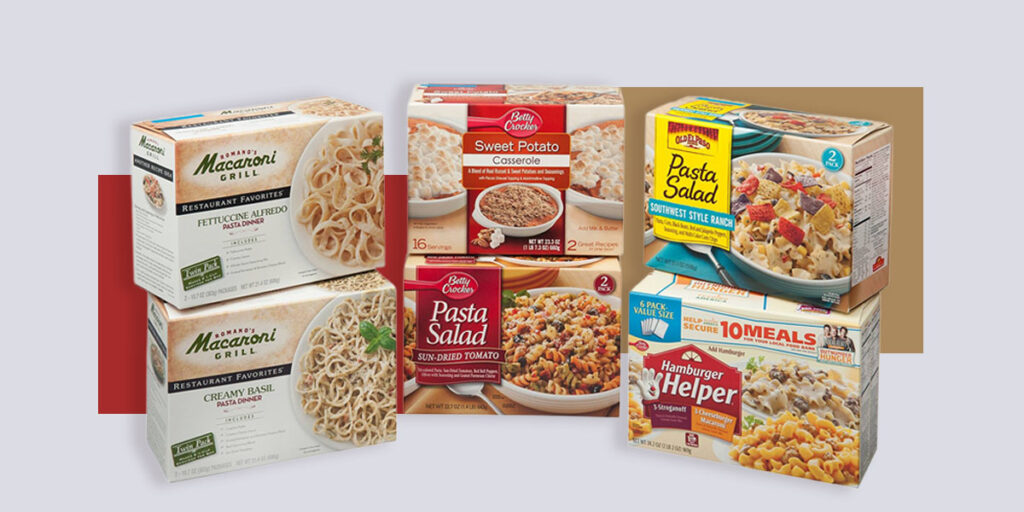
Make your products stand out with Great Northern shelf-ready solutions

Great Northern Claims an Excellence Award at the Annual PPC Competition

Premium Graphics and Optimized Structure for the Supply Chain make this Club Store Solution a Winner!

For the last 82 years, packaging manufacturers across the country have entered and competed in the North American Paperboard Packaging Competition: a showcase of the creativity, innovation, and technical excellence that continues to define our industry. Hosted by the Paperboard Packaging Council, the annual competition is for manufacturers involved in the concept, design, print, performance, and shelf appeal of paperboard packaging. The submissions are judged by a panel of packaging professionals, industry experts, and professors at PPC’s headquarters in Springfield, MA.
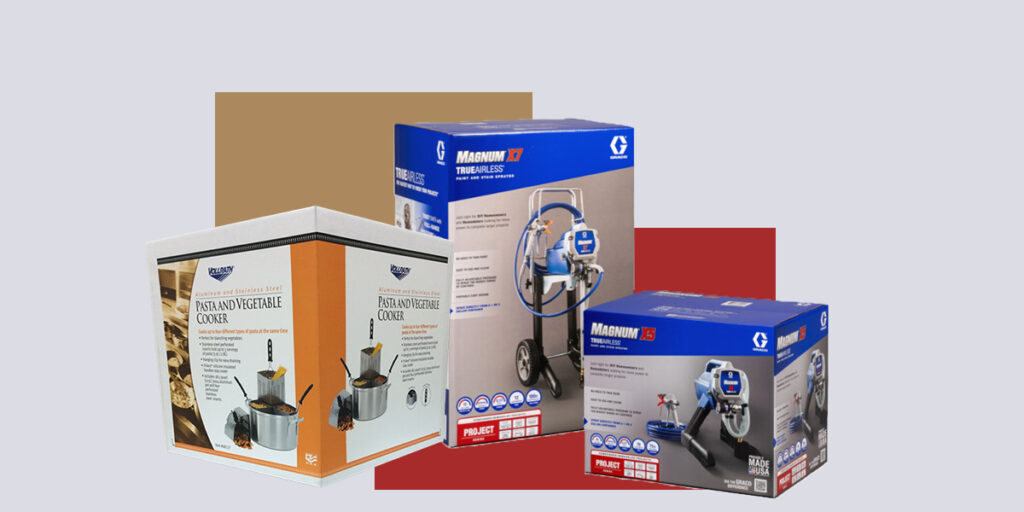
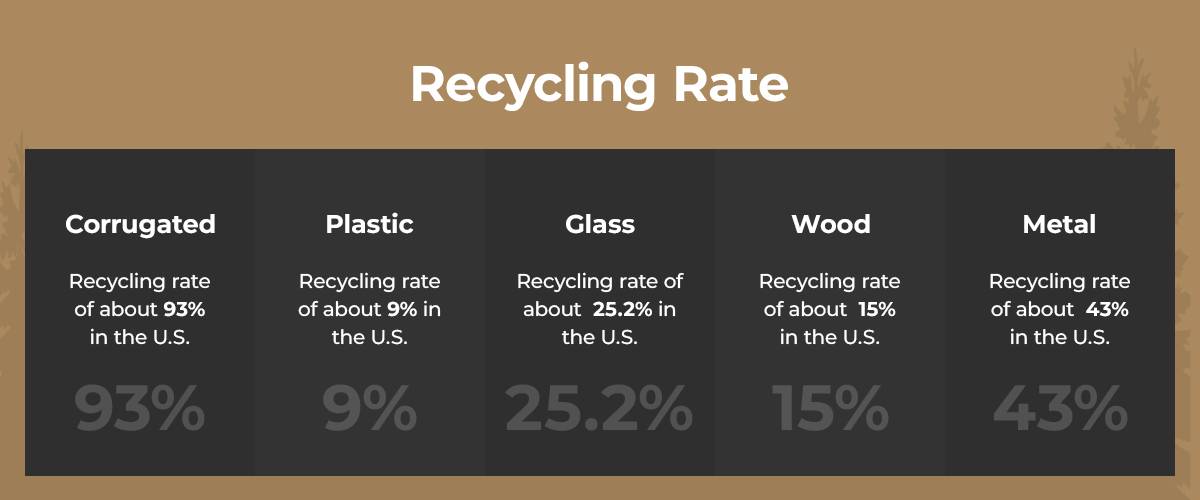
 

This year, Great Northern is pleased to announce it received an Excellence Award for its Philly Swirl: Trolls Frozen Ice Pops package! When Philly Swirl launched a new product line in club stores, they turned to Great Northern to develop packaging that would meet both functional and visual demands. The graphics needed to be of premium quality to stand out on crowded retail shelves and the packaging had to perform flawlessly throughout the supply chain. It also needed to withstand cold, damp environments and meet the rigorous standards of club store distribution.

Great Northern delivered a high-performance packaging solution that not only met these technical requirements but also created a strong visual impact, serving as a billboard in the club store environment. Custom-engineered scoring profiles for the thicker substrate ensured the cartons erected cleanly and efficiently on the customer’s automated fill lines, streamlining fulfillment and maintaining structural integrity from production to purchase.

To learn more about our award-winning design, check out our Philly Swirl Icee Trolls Success Story!


Understanding G7 Certification: Why It Matters for High-Quality Packaging

Understanding G7 Certification: Why Does It Matter for High-Quality Packaging?

Did you know that even slight color inconsistencies in your packaging can weaken your brand’s presence on the shelf? Crisp, true colors are essential for making an impact.

For companies managing multiple SKUs or seasonal product lines, achieving consistent color across every box, display and label is critical. That’s where G7 certification comes in. As a recognized global standard for print quality, G7 ensures your packaging reflects your brand every time.

Great Northern Packaging’s Oshkosh and Twin Cities locations are G7 Master Facilities and have a G7 Targeted designation for their offset and digital presses. This standard helps ensure consumer packaged goods companies deliver packaging that looks the same no matter where or how it’s printed. By combining G7 standards with in-house design, manufacturing, testing and supply chain expertise, we ensure your products stand out in competitive retail environments.


What Is G7 Certification?

G7 certification is an international specification that defines how color should appear across all printing processes. Whether your packaging is printed using digital, flexographic, lithographic or gravure technology, G7 alignment ensures your brand colors look identical from run to run and plant to plant.

A G7 Master Facility has demonstrated the ability to calibrate printing systems to meet rigorous color and grayscale requirements. In practical terms, this means your packaging always looks like it’s supposed to, no matter the substrate or ink system used. For brands, that consistency builds recognition, strengthens customer trust and avoids costly reprints due to color mismatches.

How Do G7 Printing Standards Improve Packaging Printing?

G7 is an advanced method for managing color in packaging printing. Traditional printing methods rely heavily on operator judgment and adjustments. G7 removes the guesswork by establishing measurable targets for tonality and balance, reducing variation during production.

When applied to packaging printing, G7 certification delivers:

  • Color accuracy across all print platforms: This is essential when producing corrugated cartons, chipboard boxes and retail displays in different facilities.
  • Improved efficiency and reduced waste: Precise calibration means fewer make-ready sheets and less material scrap.
  • Predictable results for complex designs: Detailed artwork and photographic images print with sharp edges and vibrant color, looking the same every time.

These advantages mean lower overall costs and faster turnaround times, while packaging quality meets brand expectations.

How Does a G7 Master Facility Compare to a Standard Print Shop?

Not every printer meets G7 certification standards. A G7 Master Facility goes through independent evaluation and testing to verify compliance with established benchmarks. Even then, facilities must re-qualify by showing they continue to meet the benchmarks.

When compared with a standard print shop, a G7 Master Facility may be better able to:

  • Maintain consistent brand colors across multiple SKUs and packaging types.
  • Launch seasonal packaging campaigns without off-brand color shifts.
  • Ensure faster approvals, since proofs align more closely with final output.

With more than 60 years in packaging design and production, Great Northern Packaging integrates G7 calibration with a wide range of printing and converting capabilities. You can produce light-grade retail cartons, heavy-duty corrugated packaging and custom club store displays with the same precise color control.

Why Choose Great Northern Packaging as Your G7 Master Facility?

When you work with Great Northern Packaging, we combine G7 certification with a full spectrum of services to streamline your packaging program:

  • In-house design and prepress: Our creative and technical teams develop packaging that meets retailer specifications while staying true to your brand vision.
  • Manufacturing strength and flexibility: From chipboard cartons to the heaviest corrugated grades, we produce packaging to fit your exact performance needs. With our own facilities in the U.S., we have more control over the final product.
  • Supply chain expertise: Our team can customize logistics programs to ensure your packaging arrives where and when you need it. You can even track your shipment in our System 3000 app.

In addition to G7, Great Northern Packaging holds multiple certifications, including SQF, SFI Sourcing Label and ISO, further demonstrating our commitment to quality, sustainability and safety. As an ISTA® certified facility, we also offer packaging design and testing services to help you reduce damage in transit and minimize your environmental impact.

How Does It Impact Your Brand?

For consumer packaged goods companies, packaging is the first impression you make. Consistent color is one of the most powerful ways to strengthen shelf impact and customer loyalty. For brands where color accuracy is critical to their identity, G7 certification ensures that your branded packaging design consistently represents your brand values across all printed materials. By choosing a G7 Master Facility like Great Northern Packaging, you:

  • Eliminate color surprises between different product lines and production runs.
  • Accelerate product launches by minimizing proof cycles and delays.
  • Protect your investment in brand identity with reliable, repeatable quality.

Our mission is simple: We help our customers win by doing what others can’t or won’t. Whether you need packaging for high-volume SKUs, specialty retail displays or new product introductions, our G7-certified facilities ensure your packaging communicates quality at every glance.

Let Your Packaging Say It With Color

Don’t leave your brand image to chance. Trust Great Northern Packaging to consistently deliver packaging that looks exactly the way you envision it, right down to the exact shades of your brand colors. Contact our team to learn how G7 certification and our full-service capabilities can enhance your packaging.

good culture and brownie brittle club store packaging

What Are the Elements for Successful Club Store Packaging?

Cost-conscious shoppers flock to warehouse and corporate clubs to save money by purchasing essential household goods in bulk quantities. In addition to low prices, these clubs entice buyers with an array of membership perks, big-ticket deals and the convenience of one-stop shopping.

If your company sells goods to club stores, you face unique packaging challenges and considerations compared to working with traditional retail outlets. Knowing how to overcome these obstacles is essential for meeting customer demands and driving sales.

Read More…

Why Packaging Durability is Important for Home Improvement Products?

Durable, resilient packaging is important for home improvement products, as it protects them from damage and excess moisture and enhances branding efforts. In the home improvement industry, product quality is everything. Sturdy packaging can help items remain in tip-top shape from transit to the shelves to customers’ homes.

Explore the top benefits of durable packaging, including improved customer experience, sustainability efforts and product protection.

Read More…

How Does Packaging Design Impact Brand Perception in Online Retail?

When you start a business, you must do thorough market research, set up a budget and brainstorm marketing campaigns. One other key business aspect is branding. Your branding is more than a color palette or a logo — it must represent your business’s personality, values and messaging.

You can attract, relate to and retain customers with a solid brand identity. However, to do so, your branding must be consistent in all areas of your business, especially its packaging.

There is a packaging effect on brand perception beyond aesthetics. Discover how to elevate your brand through thoughtful design below.

Read More…

How to Choose the Right Packaging for Home Improvement Tools

Home improvement tools help customers make their houses more comfortable, but what can companies do to highlight their product’s benefits? Choosing suitable packaging makes home improvement products stand out and persuades shoppers to make a purchase. It also plays a crucial role in reflecting the product’s quality and the brand’s values.

Learn the top factors to consider when choosing tool packaging and how to find the option that suits a product’s weight, size and usability.

Read More…

How Packaging Affects Consumer Choices in Home Improvement Stores

How Packaging Affects Consumer Choices in Home Improvement Stores

Did you know that brands have seven seconds on average to make a good impression before a customer moves on to the next option? That’s why packaging plays a part in consumer behavior, including home improvement store packaging. Packaging is about more than simply protecting a product — the design, color and materials used can greatly influence what shoppers decide to buy. For example, attractive packaging can catch your eye while clear information helps you understand the product’s benefits.

In this post, we’ll cover how packaging affects consumer choices in home improvement stores. These factors include preferences for product packaging and design, functionality and sustainability.

Read More…

What Is the Impact of Minimalist Packaging on Health and Beauty Products?

The packaging you select plays a significant role in whether a shopper picks up your product. So, what makes minimalism an effective design choice?

The concept of “less is more” is especially true in the health and beauty sector. Embracing this philosophy allows brands to create products that speak for themselves and resonate with customers’ desires.

Read More…

How Packaging Influences Consumer Behavior in Beauty Products

The beauty industry is all about appearance, from product packaging to application. Businesses in this field know that while aesthetics play a huge role in sales, it’s not just about how a product looks but also how good it makes customers feel.

What if you could use the packaging to show customers how your product would make them feel? There are key elements that shape how shoppers see your product and influence their shopping behaviors.

Read More…

What Role Does Packaging Play in Enhancing Brand Identity?

Packaging and brand identity form a symbiotic relationship. Understanding how to use packaging to communicate with your customers can take your business to the next level.

By incorporating key elements of your brand’s unique personality into product packaging, you can resonate with new and existing customers, build trust and enhance loyalty.

Discover how your business or company can create memorable connections between your customers and brand by selecting the right combination of color schemes, typography, materials, designs, shapes and more.

Read More…

Halloween packaging by Great Northern Packaging

Holiday Packaging Guide

During the holiday season, most stores explode into festive colors, and we owe much of that to holiday packaging. Limited-edition packaging can add a fun, exclusive touch to your product and appeal to seasonal sentiments, like the joy of spending time with family or the excitement of special peppermint flavors.

Read More…

Great Northern Wins Excellence Award at 81st Annual PPC Competition

For the last 81 years, the best paperboard packages across North America have entered and competed in the North American Paperboard Packaging Competition. Hosted by the Paperboard Packaging Council, the annual competition is for carton manufacturers involved in the concept, design, print, performance, and shelf appeal of paperboard packaging. A jury of packaging professionals, industry experts, and professors judge the submissions at PPC’s headquarters in Springfield, MA.

This year, Great Northern is pleased to announce it received an Excellence Award for its Promega Corp package! Great Northern has worked with Promega for over 20 years and produces secondary and tertiary packaging components for them including kit boxes, inserts, and shipping cartons. Recently, Promega was in need of a new packaging solution that would allow their custom order department to efficiently kit a wide range of customer-specified product configurations.

The project required a mix of corrugated and laminated materials but needed to have the same appearance on both. Our designers began by matching the desired colors on the digital press and partnered with a local company to match the digital colors and matte finish. The solution was a series of kit boxes designed specifically around their most common bottle sizes and kit quantities and the new solution maximized efficiency in their kitting process.

To learn more about our award-winning design, check out our success story on Promega Corp.!

A Guide to Packaging and Branding Alignment

Packaging and branding are two essential facets of marketing that help businesses communicate their value to consumers. While these concepts are different and can’t be used interchangeably, they complement each other to ensure businesses market their products effectively.

Brand and consumer alignment ensures a company’s brand identity resonates with its audience. It requires consistent public touchpoints that reflect the brand’s core values, creating an authentic experience. Alignment influences marketing, employee behavior, and customer trust, fostering loyalty through a cohesive brand presence.

Below, we discuss the main differences, how the two concepts relate and why it’s important to align product packaging with brand identity.

Read More…

How Sustainable Is Corrugated Packaging?

Corrugated packaging is a traditional material used to protect and transport products. We can attribute its widespread adoption and growing popularity to its environmental friendliness and ability to reduce carbon footprints. Using sustainable corrugated cardboard packaging can attract environmentally conscious consumers and improve your brand’s reputation.

Read More…

Understanding Eco-Friendly Packaging Certifications

As more people and organizations become environmentally conscious, businesses seek ways to demonstrate to their consumers and other stakeholders that they are part of the positive change. One of the areas a company can focus on is its packaging — the first thing a customer sees when they buy an item or their goods are delivered.

Read More…

What Role Does Packaging Play in Shipping and Logistics?

Shipping has made it possible for companies to transport goods and products quickly and efficiently over long distances. In turn, packaging plays a major role in shipping and logistics by protecting products during transportation, ensuring they arrive safely at their destination. Various types of packaging designs exist for different products along with protective packaging materials to provide extra support and cushioning.
Read More…

Great Northern’s Appleton Facility Maintains ISO Certification

The Great Northern Appleton facility has recently completed and passed its three-day ISO (International Organization for Standardization) re-certification audit and will be re-certified for another three years. The ISO 9001:2015 certification ensures a world class management system where an organization demonstrates its ability to consistently provide a product that meets customer and applicable statutory and regulatory requirements. This certification also applies to Great Northern’s Chippewa Falls, Twin Cities (MN), and Racine facilities.

Read More…

What Makes Great Northern Different?

Consultative

We provide valuable packaging expertise for our customers to optimize the supply chain and stand out in the retail environment.

Creative

Work with our award-winning design team to create impressive packaging that protects your products and makes your brand stand out.

Cost-Effective

Our solution-focused engineering teams develop functional packaging that helps our customers achieve their ROI targets.

Reliable

We keep our projects on track for success by staying within budget and meeting deadlines so you know when your packaging will be ready.

Responsive

We're always available to discuss timelines, project specifications and more - reach out today to talk to our team about your packaging needs.

Quality

All of our work is completed in-house, allowing us to ensure the highest quality for everything we manufacture.

Great Expectations

Great Expectations is more than a tagline, it is an attitude. At Great Northern, customer challenges are met by an undying spirit to doing what others can’t or won’t. It’s in our DNA. And it is what our customers have come to expect with Great Northern.

How can we exceed your expectations?